



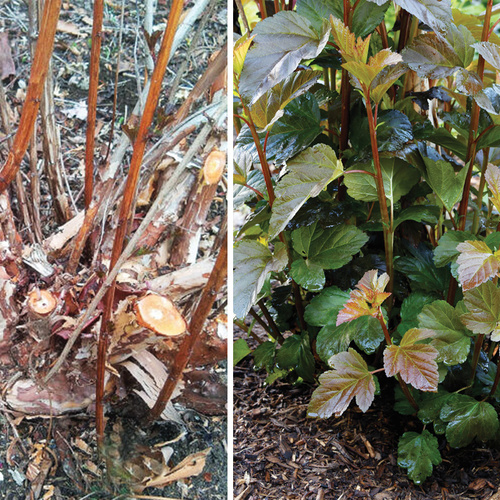

An email inquiry I recently received told a sad tale of two shrubs growing in similar conditions on opposite sides of a property. Although they were the same species and cultivar, one plant was thriving while the other was struggling, and the gardener seemed convinced that a hard cutback of the sick-looking plant would solve all of his problems.
Benefits of Renewal Pruning for Shrubs
There are many good reasons to try renewal pruning, also known as rejuvenation pruning, but “it just looks sick” is not on the list. As with any type of corrective work, understanding the cause of the problem should be the first step in coming up with a solution. Not every plant will respond well to an extreme makeover, particularly one with an underlying health or pest problem.
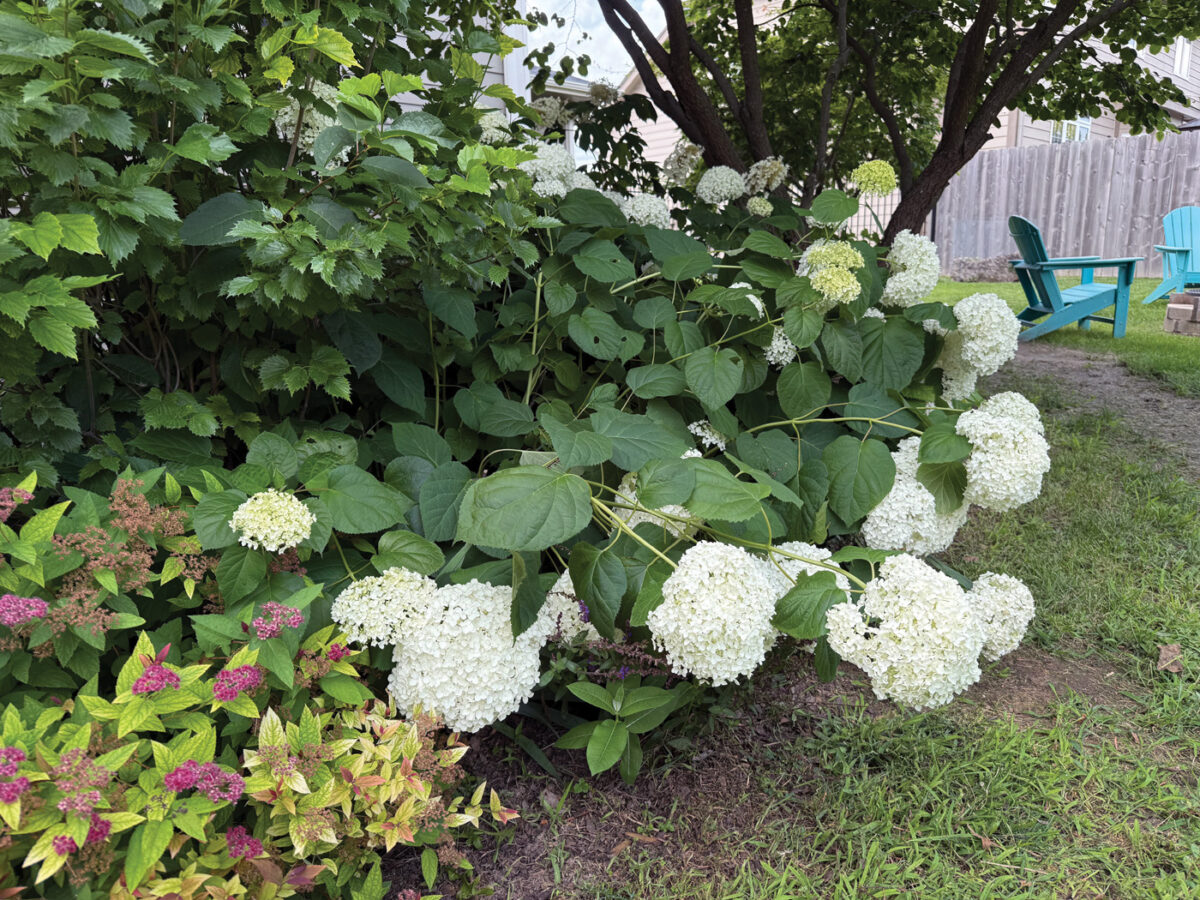
Prune, Renovate, or Remove?If you are having trouble deciding if a plant should get one of the rejuvenation treatments described in this article, here are a few questions to ask yourself.
|
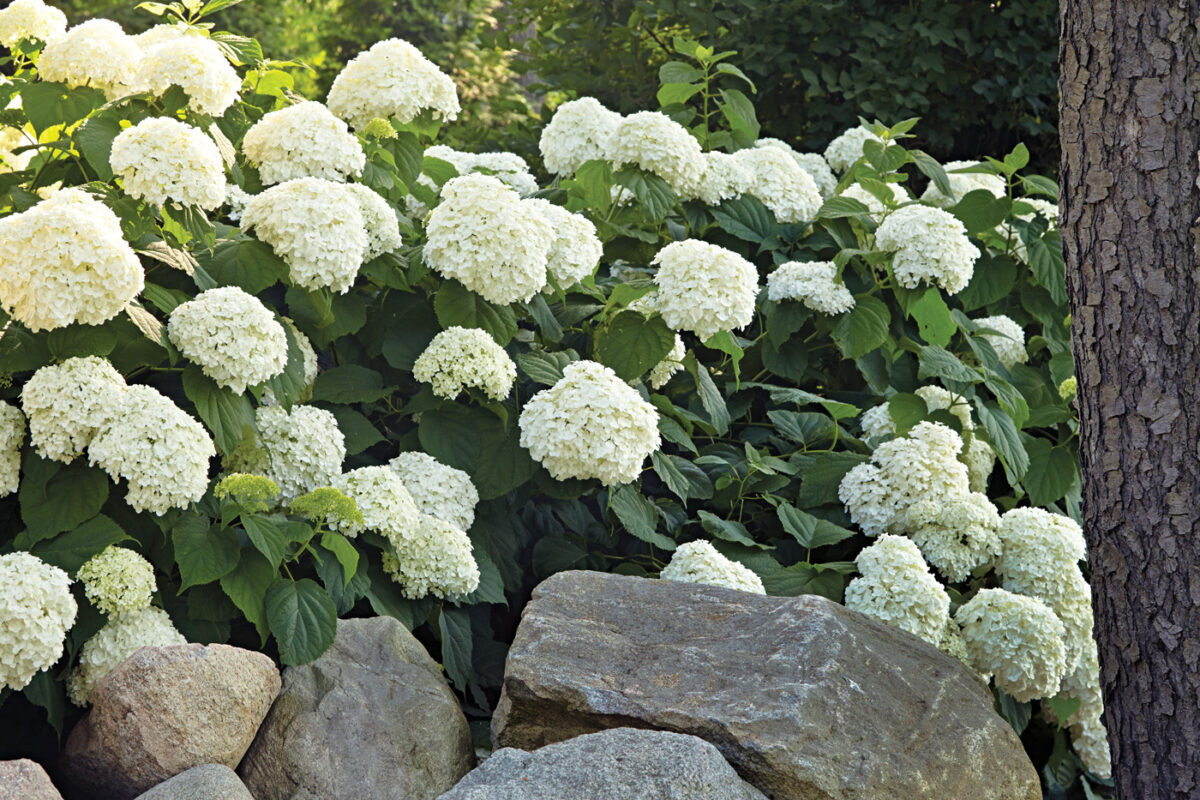
Renewal pruning works best on established plants
But renewal pruning is a useful tool to have in your gardening quiver, if you know when and why to do it. Rejuvenation generally works best on established, multistem, woody plants that readily respond to a hard cutback by pushing new growth from dormant buds on the remaining stems or from the root system. The goal is often to encourage the plant to regrow a better-looking or more appropriately sized top. This work is usually done in late winter, when the plant is dormant and has the highest stored energy reserves of any point in the year.
Whether you are considering renewal as part of a regular management plan or as a corrective measure, let’s take a look at the mechanics of how it works, why to do it, and what kinds of plants respond well to pruning with the goal of rejuvenation.
Renewal Pruning As Regular Maintenance
If garden space is limited or if you want to maximize the visual impact of certain fast-growing shrubs, a hard cutback every year or two serves as a reset for the following season. In general, vigorous shrubs with a suckering growth habit can take regularly scheduled renewal in stride.
Certain plants simply make better garden specimens when cut to the ground every year or every few years. For example, many gardeners give their smokebushes (Cotinus spp. and cvs., Zones 4–9) a heavy annual haircut in late winter to encourage a display of bright new foliage the following season. Plants that are cut back hard every year won’t flower, but the larger, more colorful leaves that fill the new stems will be closer to eye level than the rangy growth of mature plants left to their own devices.
Renewal Pruning for Spirea
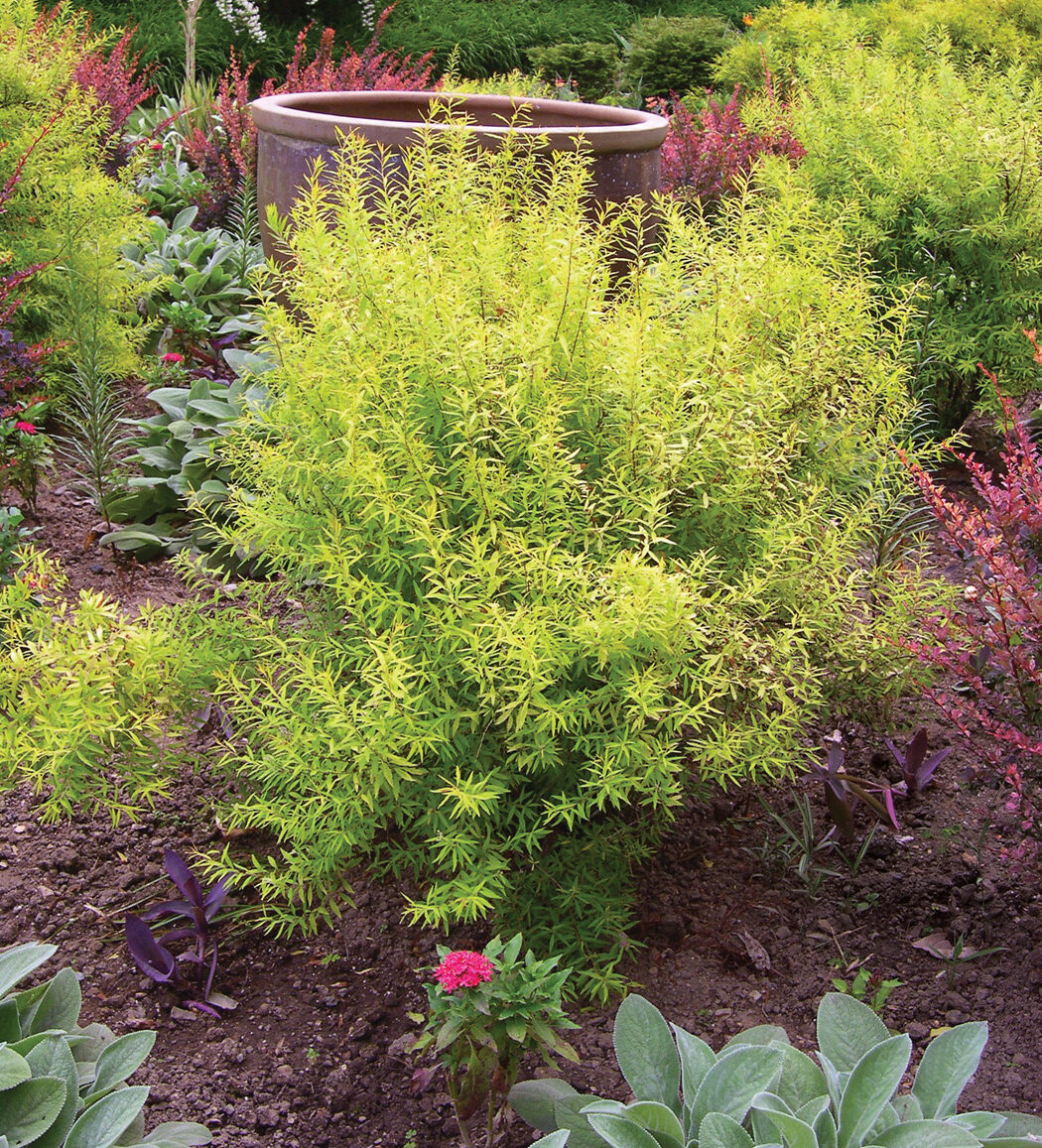
‘Ogon’ spirea (Spiraea thunbergii ‘Ogon’, Zones 4–8) is an early-spring bloomer with delicate white flowers and beautifully fluffy chartreuse foliage all summer. Older plants have a tendency to sprawl and get leggy, but winter renewal pruning would remove the flower buds that form on the previous season’s wood. My solution is to let it bloom its heart out in early spring, then whack it to the ground as soon as the flowers fade. It rewards this harsh treatment with vigorous, dense growth that looks good all summer, and it will set next year’s flower buds in autumn. A big spring chop might happen every year (or two, or three). The frequency depends on my mood, what I have planted too close, or what I removed last fall.
Renewal pruning can rejuvenate plants
If you’re an obligate plant collector with a small home garden, like me, renewal could be the key to fitting in a few more great finds. My ‘Hartlage Wine’ sweetshrub (Calycanthus raulstonii ‘Hartlage Wine’, Zones 5–9) is a vigorous grower that wants to be about 12 feet tall and wide, but I simply don’t have that much space. So, after it grows and flowers from early summer until about July 4, it gets cut all the way to the ground. By the end of the growing season, it will put out 3- to 4-foot-tall shoots containing next year’s flower buds, a kind of sloppy equilibrium allowing me to enjoy a plant I wouldn’t otherwise be able to have.
Popular shrubs that are candidates for regular renewal pruning:
- Red osier dogwood (Cornus sericea and cvs., Zones 3–7)
- Common lilac (Syringa vulgaris and cvs., Zones 3–7)
- Mock orange (Philadelphus spp. and cvs., Zones 3–8)
- Dappled willow (Salix integra ‘Hakuro-Nishiki’, Zones 5–7)
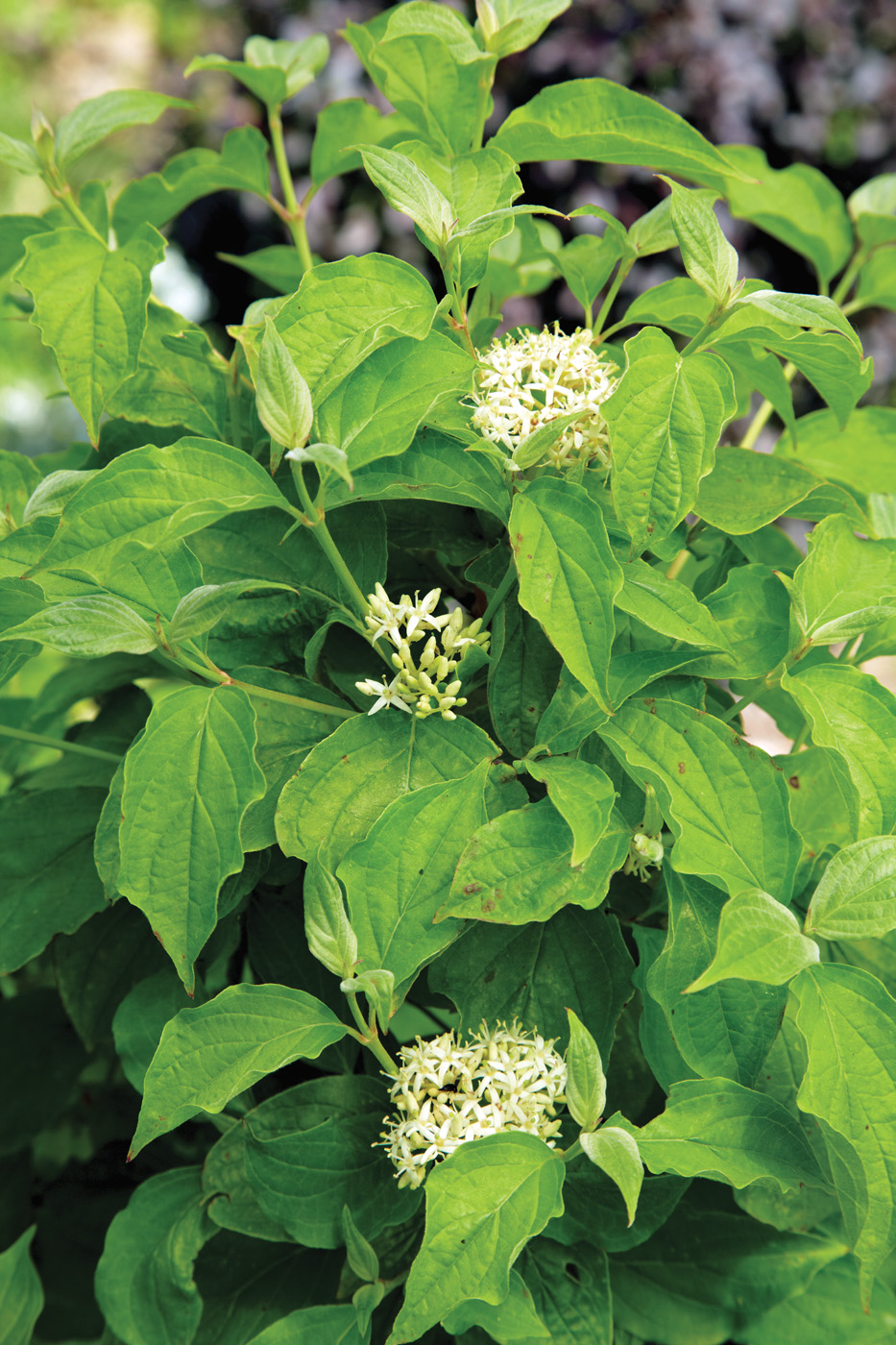
Red osier dogwood. Photo by Jack Coyier |
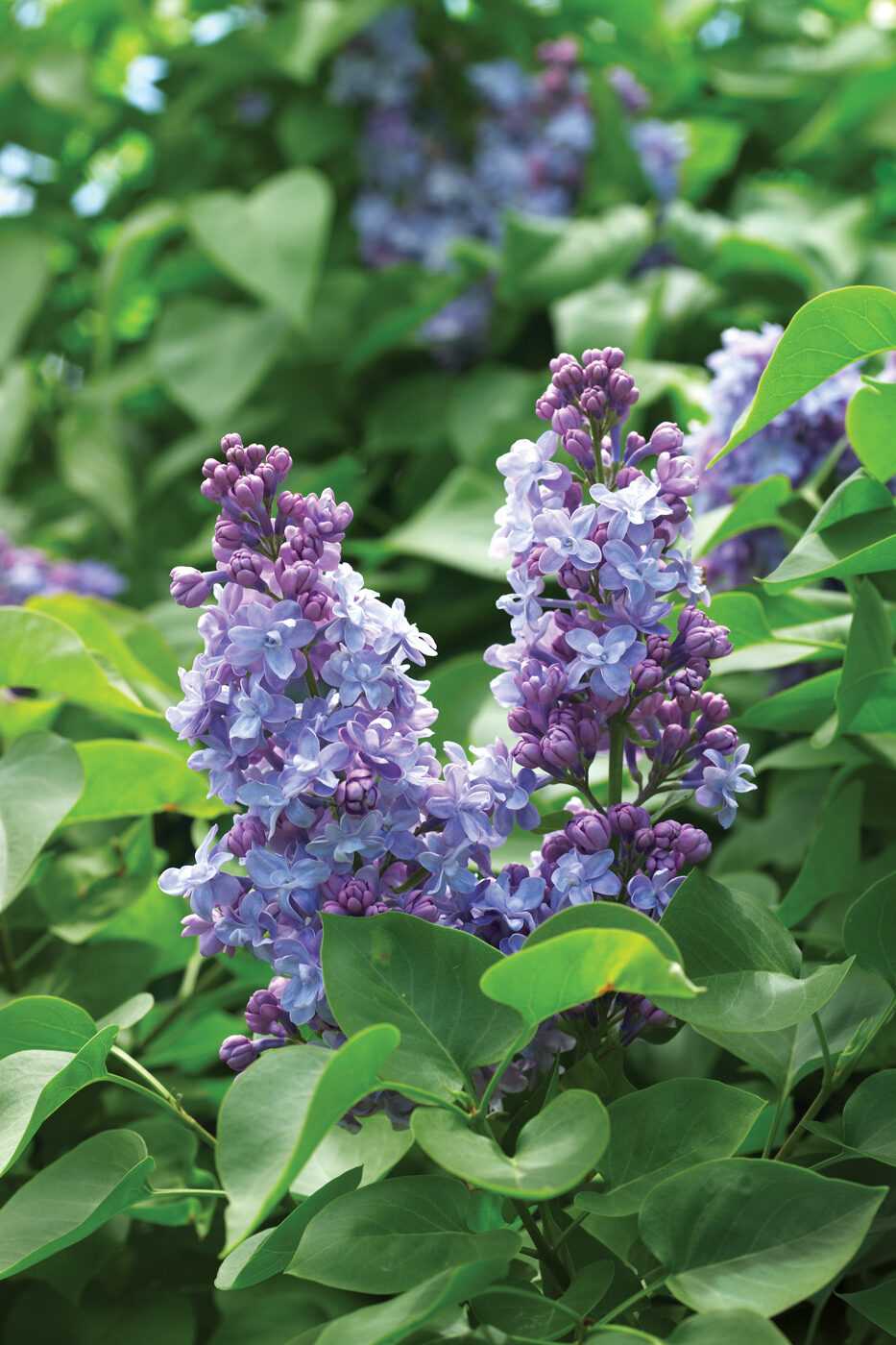
Common lilac. Photo by David McClure |
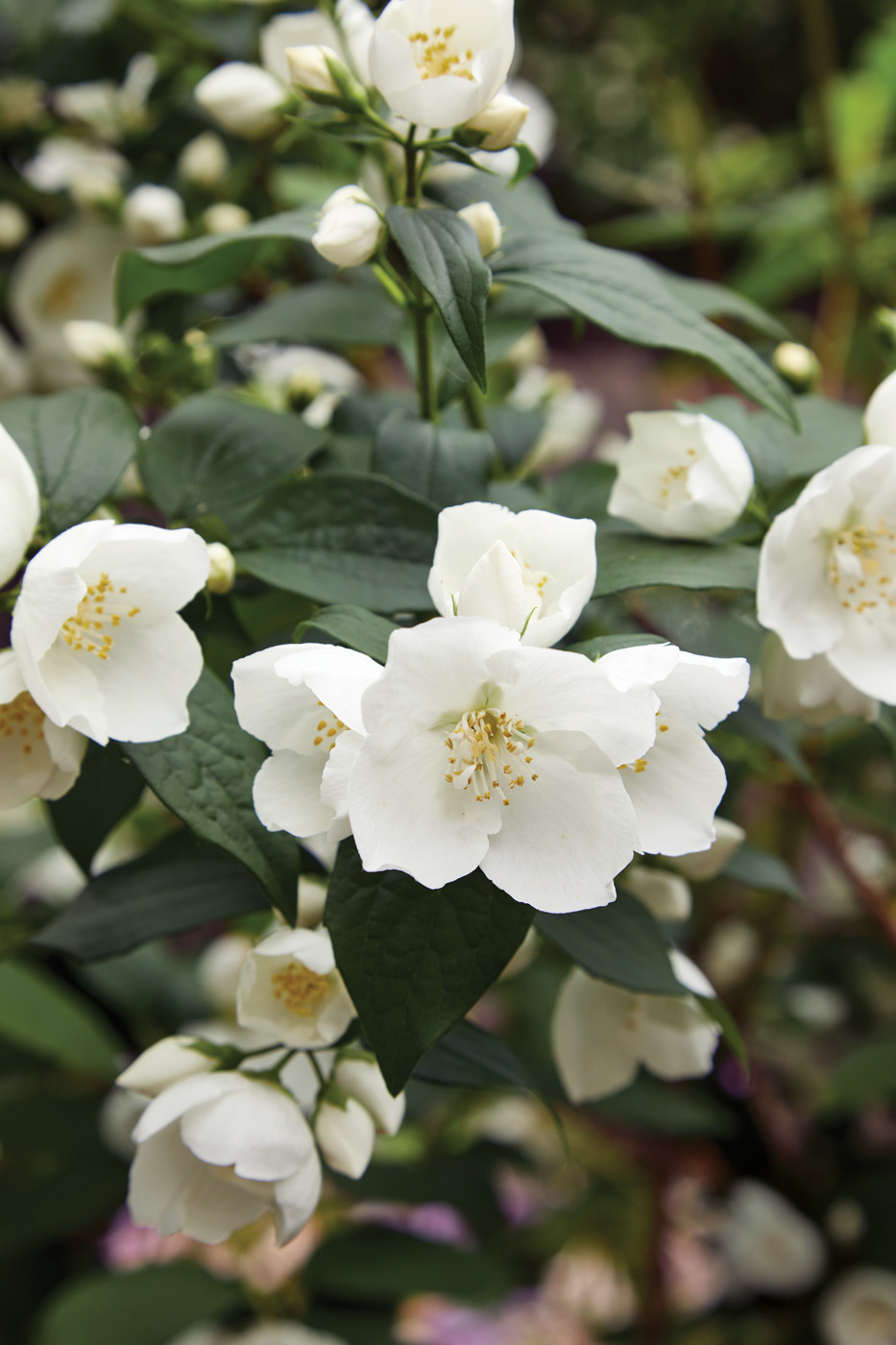
Mock orange. Photo by Jack Coyier |
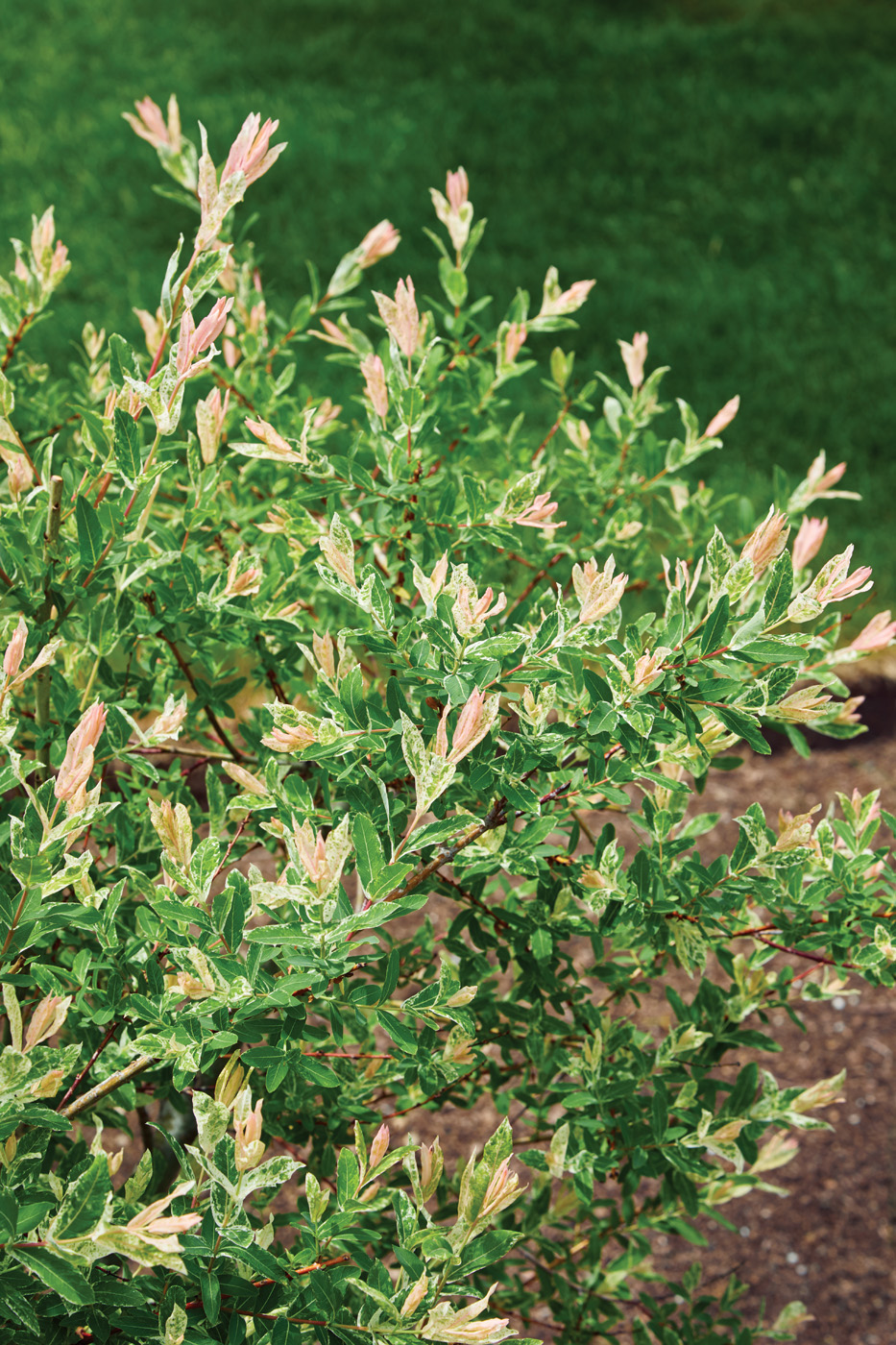
Dappled willow. |
Renewal Pruning As a Corrective Measure
Sometimes older shrubs can become a bit long in the tooth and shy on vigor. If you are considering a hard reset on an overgrown or improperly pruned shrub, remember that deciduous plants should generally be pruned when they are dormant, while evergreens should be pruned in mid-spring, after the risk of frost has passed and the plant is actively growing.
Any gardener who has maintained a formally pruned hedge knows the signs of decline: plants with empty centers, no new side growth, and just a thin veneer of new growth on top. A shrub with vertically sheared sides will be much more likely to develop this hollowed-out look than one with a more natural tapered shape, wider at the bottom and narrower at the top.
A few considerations before you start cutting
If you’re thinking about rejuvenating a shrub that has become tired and worn out, first confirm that it has the potential to sprout new growth from internal branches. Yews (Taxus spp. and cvs., Zones 4–8) and some rhododendrons (Rhododendron spp. and cvs., Zones 4–9) are good candidates for judicious renewal pruning, while most coniferous evergreens are not.
The following techniques won’t look pretty in the short run but could bring life back to a plant that needs some love. Speaking of love, you might want to run these options past your gardening and/or life partner before taking any drastic action.
Read More: Must-Have Tools for Easier Fall Cleanup
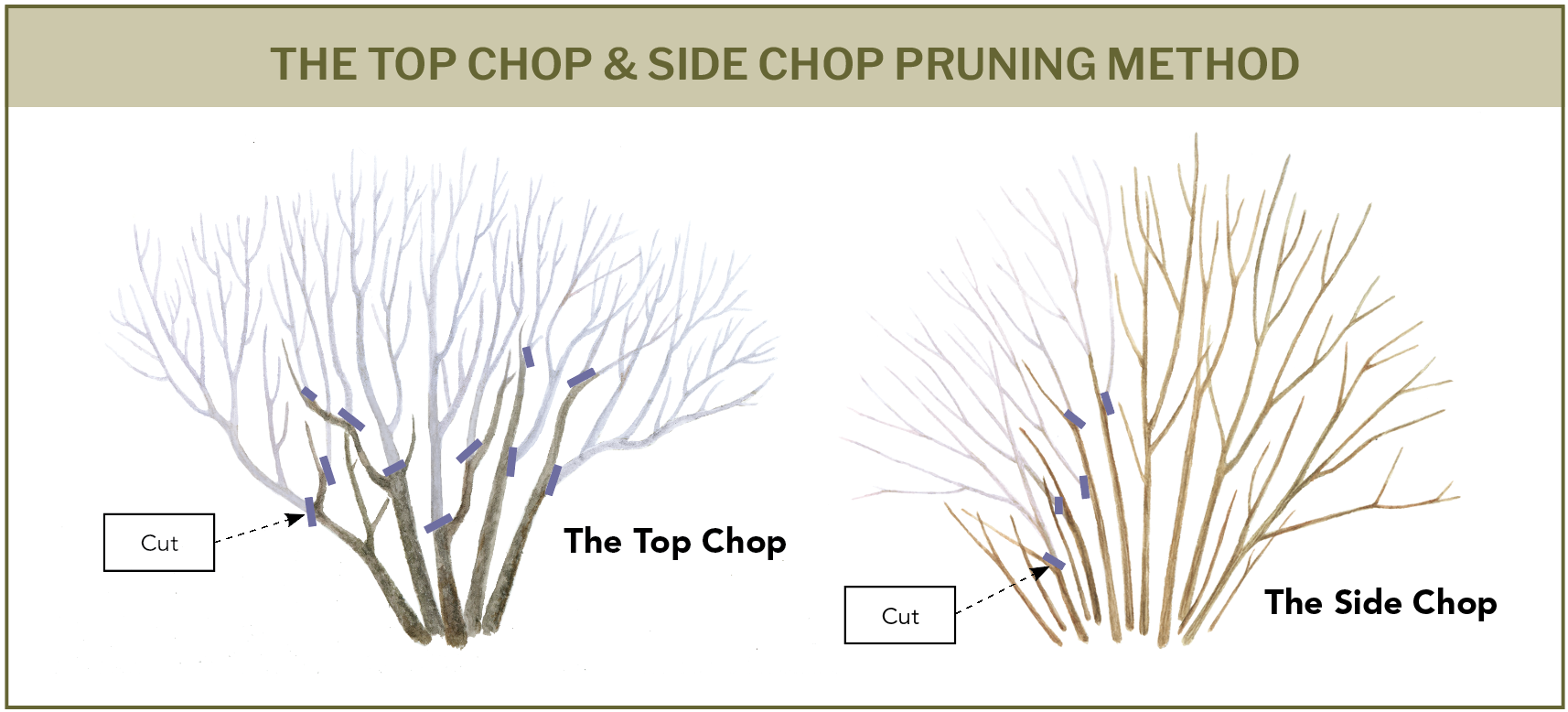
Pruning Option 1: The Top Chop
Take a deep breath and lop off enough of the shrub’s top to expose the bare center of the plant. If done correctly, this procedure should make your heart skip a beat or two. But if your plant is otherwise healthy, the increased light reaching its center should help to encourage new growth for a fuller, more balanced look within a few years.
Pruning Option 2: The Side Chop
Rather than focusing on taking off the plant’s top, you can accomplish essentially the same thing, one side at a time. Taking off the top branches of just one side will stimulate new, internal growth, just like the Top Chop. But it also allows you to adjust the shape of the plant over a couple of years, which is especially important if it is in a prominent location or used for screening. If the sides of the shrub don’t currently have sufficient vertical slope to allow sunlight to reach the base, the Side Chop is a great option.
While the most aggressive among us might be tempted to Side Chop both sides in the same growing season, the better move is to do one side the first season and then the second side a year or two after. That leaves the top and one side with plenty of green to fuel recovery.
The best plants for either the Side Chop or Top Chop will be healthy, robust growers that can take hard pruning cuts on old wood; many traditional hedging species fit this category.
Plants that can take the Top Chop or Side Chop pruning method
- Ninebark (Physocarpus spp. and cvs., Zones 3–9)
- Elderberry (Sambucus spp. and cvs., Zones 3–9)
- Holly (Ilex spp. and cvs., Zones 5–9)
- Willow (Salix spp. and cvs., Zones 4–9)
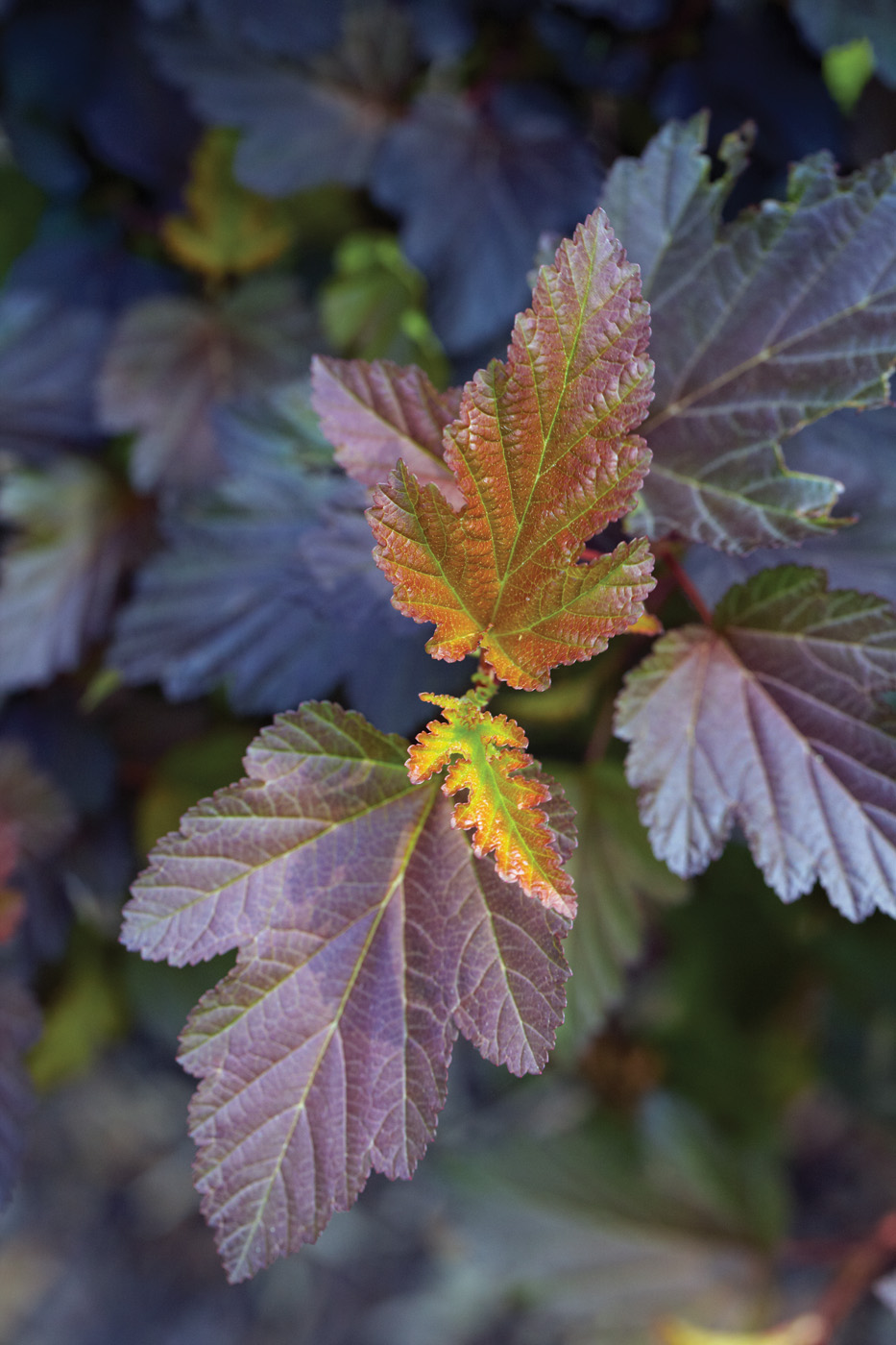
Ninebark. Photo by Jack Coyier |
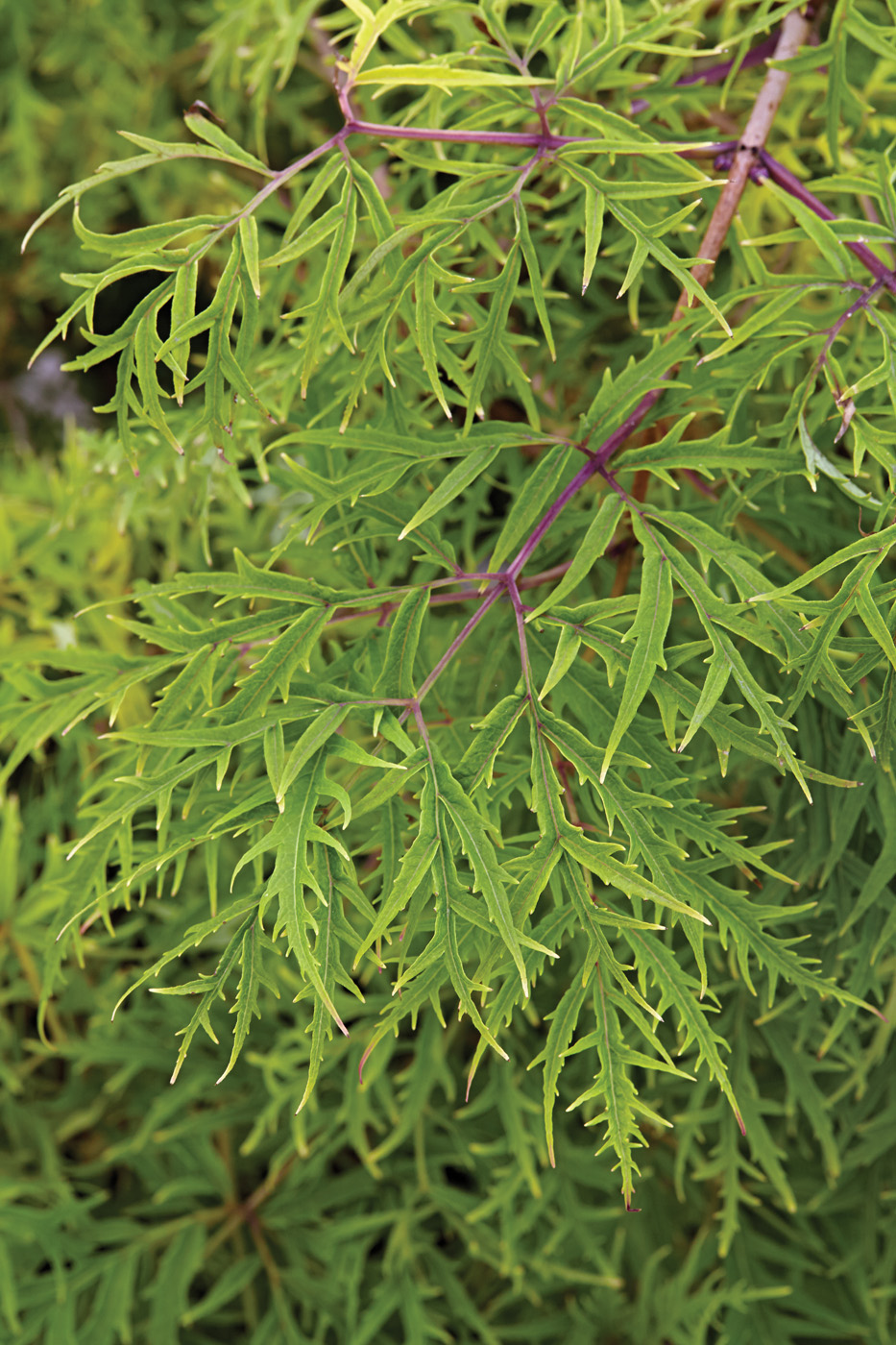
Elderberry. Photo by Jack Coyier |
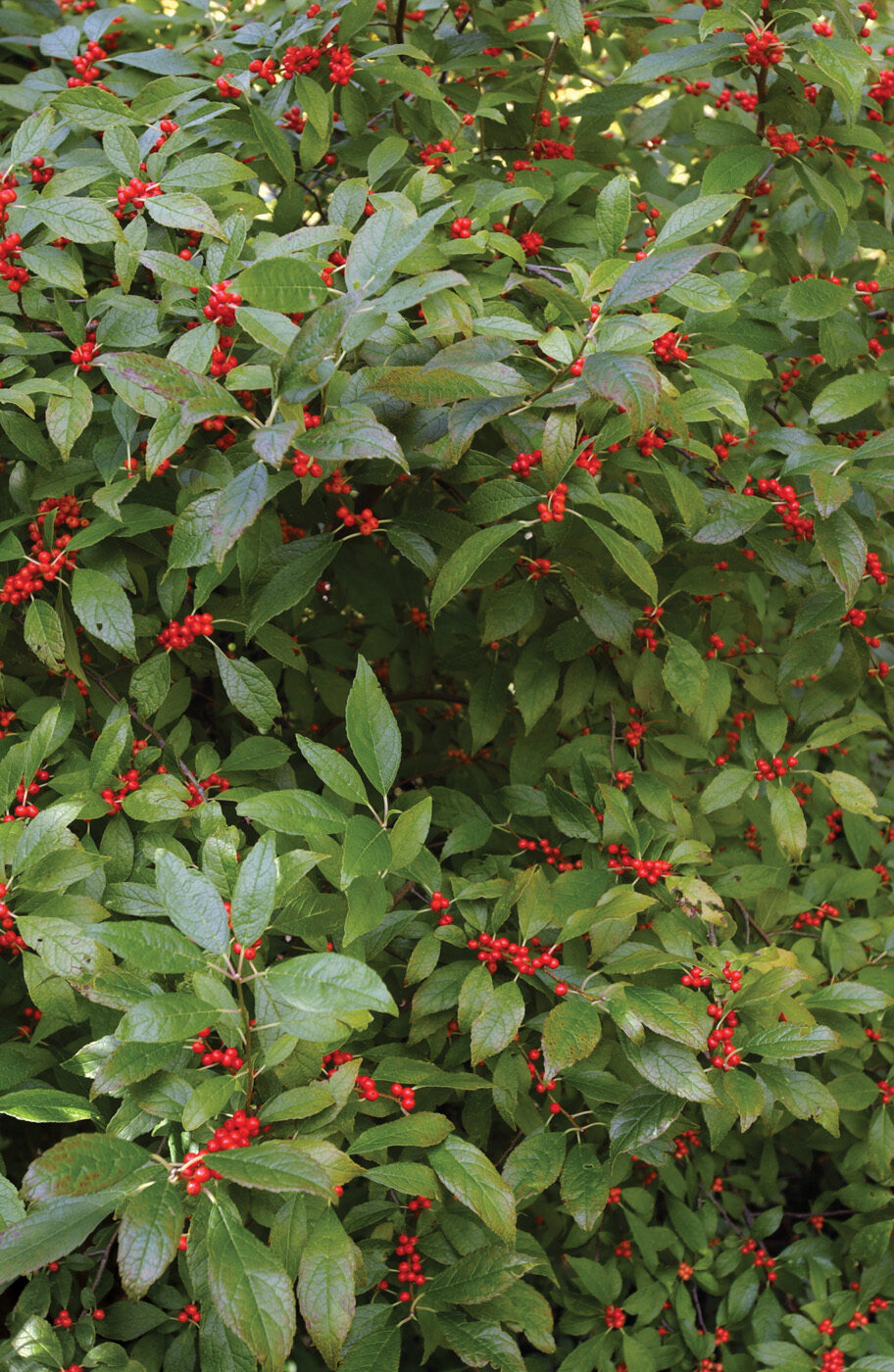
Holly. Photo by David McClure |
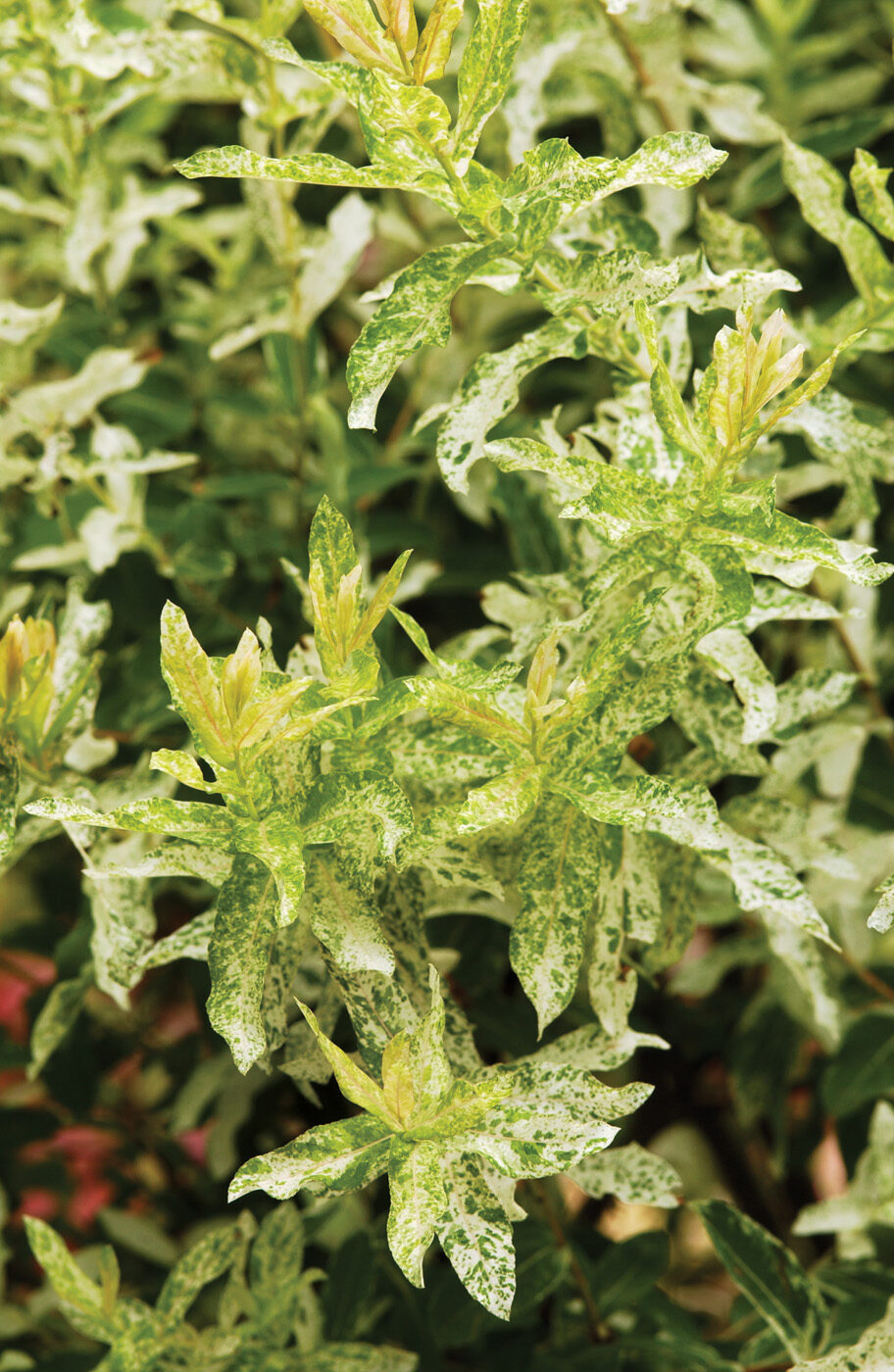
Willow. Photo by David McClure |
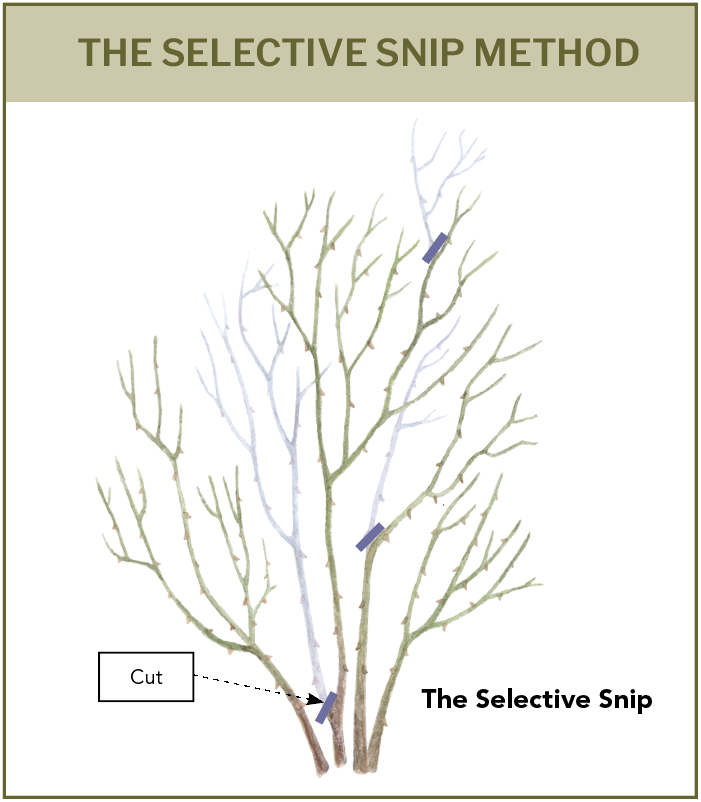
Pruning Option 3: The Selective Snip method for gradual rejuvenation
Whether you are trying to maintain the sharp lines of a sheared hedge or transition your shrubbery to a softer, hand-pruned look, the Selective Snip is a gentler approach—at least for your heart.
Put away the hedge shears, grab your hand pruners, and cut selected branches back to their point of origin, deep into the top and sides of the hedge. You are essentially poking holes in the solid green shell of foliage, leaving the overall structure of the plant in place. Although it won’t look as severe as either of the other two methods (or a complete cutback to the ground), it may not be much more pleasing to the eye of a non-gardening partner or neighbor. Give the plant the best chance of recovery by removing one in three mature branches, or fewer.
Taking out a selection of the oldest and largest branches over the course of three or more years is a gentle way to bring new life back to shrubs that might not respond as well to a drastic cutback.
Plants that benefit from gradual rejuvenation pruning
- Shrub rose (Rosa spp. and cvs., Zones 3–9)
- Abelia (Abelia spp. and cvs., Zones 4–9)
- Mahonia (Mahonia spp. and cvs., Zones 5–9)
- Currant (Ribes spp. and cvs., Zones 3–8)
- Camellia (Camellia spp. and cvs., Zones 6–10)
- Hebe (Veronica spp. and cvs., Zones 7–10)
- Multistem magnolia (Magnolia spp. and cvs., Zones 3–9)
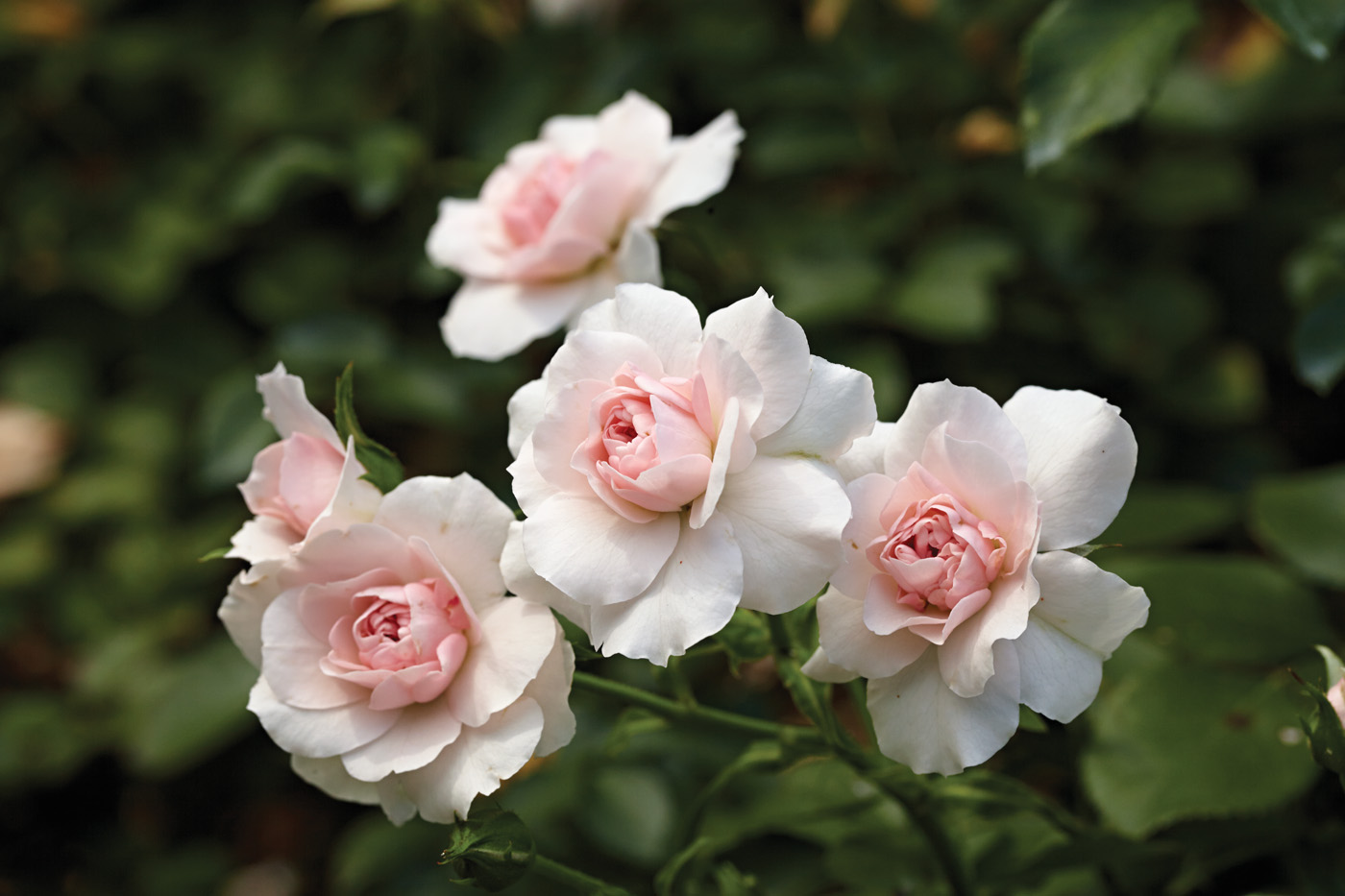
Shrub rose. Photo by Ryan Riley |
|
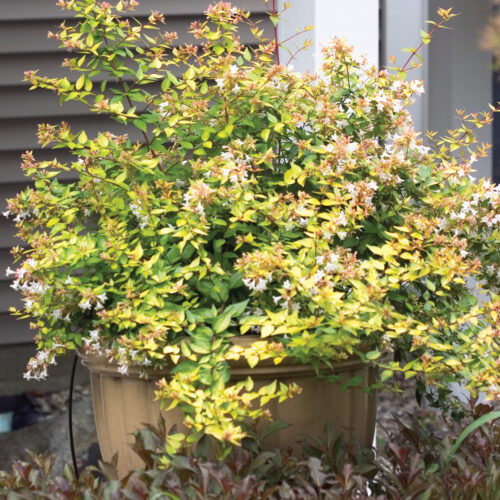
Abelia. Photo courtesy of Proven Winners ColorChoice |
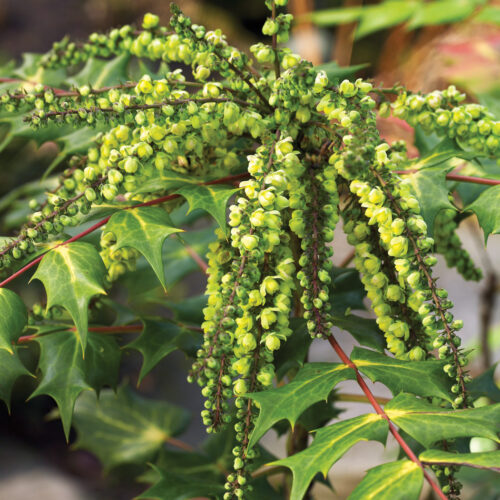
Mahonia. Photo by David McClure |
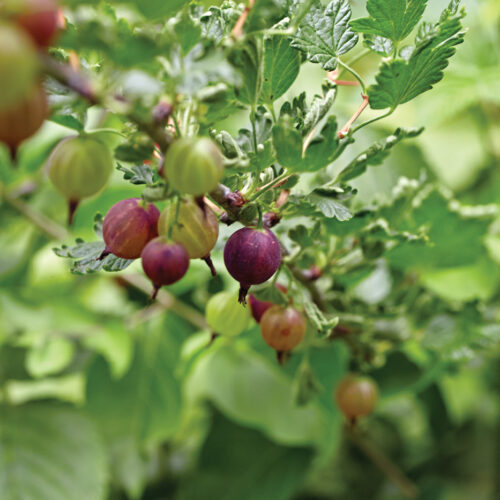
Ribes. Photo by Ryan Riley |
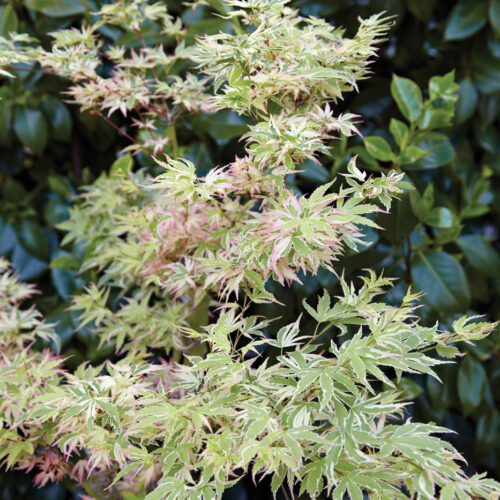 Camellia. Photo by Jack Coyier Camellia. Photo by Jack Coyier |
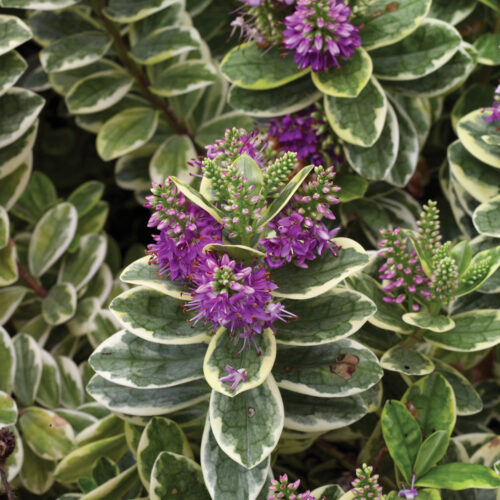
Hebe. Photo by David McClure
|
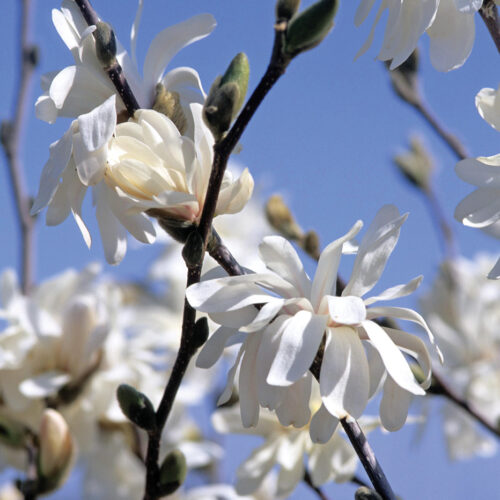
Multistem magnolia. Photo courtesy of Bailey Nurseries |
Read More: Tips for Pruning Hydrangeas
Tackle renewal pruning in the off-season
Whether you are cutting a lilac to the ground, chopping the top off an old shrub, or poking breathing holes throughout a hedge, timing matters. Remember, the best time to try this technique is usually in the off-season, when the plant has those winter stores of energy that will be essential to encourage full and vigorous recovery.
Paul Cappiello, Ph.D., is the executive director at Yew Dell Botanical Gardens in Crestwood, Kentucky.
Learn More:
Subscribe to Fine Gardening Magazine
Watch Garden Tours on Our YouTube Channel
See More from the Fall Issue of Fine Gardening
Fine Gardening Recommended Products
Fine Gardening receives a commission for items purchased through links on this site, including Amazon Associates and other affiliate advertising programs.
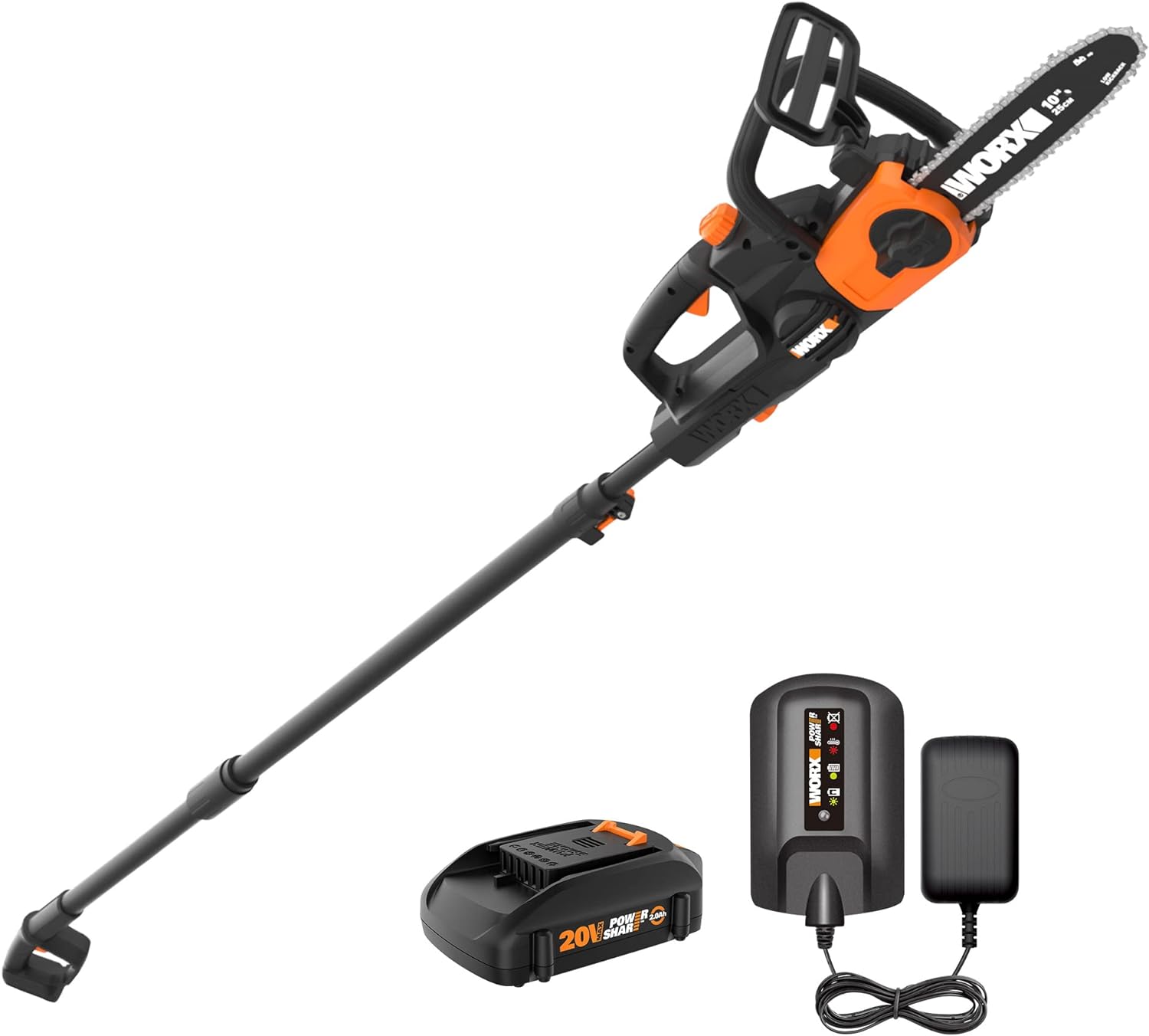
[12’ EXTRA REACH] It takes just a few minutes and no tools to attach the pole. And with a reach of up to 12’ and only 10 lbs., you’ll be able to get to branches and limbs before they become a problem. Please refuel before use, but oil is sold separately. [FAST, CLEAN CUTS] This cordless 20V PowerShare chain saw is as fast and powerful as anything in its class. And with no gas, and no cord, there’s much less muss and fuss. [SAME BATTERY, EXPANDABLE POWER] The same battery powers over 75plus 20V, 40V, and 80V lifestyle, garden, and power tools in the Power Share family. [AUTO-CHAIN TENSION] The automatic, tool-free chain tension system ensures you’ll always have the correct tension for the job at hand. [AUTO-CHAIN LUBRICATION] The automatic chain lubrication system not only makes for smoother, more efficient cuts, but it extends the life of the tool. And the oil level indicator lets you know exactly where you stand. [COMPACT, LIGHTWEIGHT] The saw itself weighs only 10 lbs. You’ll work longer, with less strain on your hands, arms, back, and legs. [PLENTY OF JUICE] These are the same batteries we use on our Jawsaw and in our lawnmowers. They’re powerful enough for those, and powerful enough for a chainsaw.
Corona High Performance Orchard Loppers
Fine Gardening receives a commission for items purchased through links on this site, including Amazon Associates and other affiliate advertising programs.
Unique design greatly reduces the cutting force. Modest tool weight is maintained due to the high strength elliptical aluminum handles. Cutting blade is fully heat treated forged steel and is easy to sharpen. Hooked design features a deep sap groove which keeps the blade contact area clear. Large diameter bumpers help to reduce elbow fatigue.

Greenworks 40V (185 MPH / 340 CFM / 75+ Compatible Tools) Cordless Brushless Leaf Blower / Vacuum, 4.0Ah Battery and Charger Included
Fine Gardening receives a commission for items purchased through links on this site, including Amazon Associates and other affiliate advertising programs.
2-in-1 BLOWER/VACUUM: Experience powerful blowing and efficient leaf mulching performance. BRUSHLESS MOTOR TECHNOLOGY: Offers 2x more torque, increased power, longer runtime, quieter operation, and extended motor life. VARIABLE SPEED DIAL & TURBO: Features 6-speed settings with a turbo button for ultimate versatility. HIGH PERFORMANCE: Delivers 185 MPH and 340 CFM for efficient clearing of dry/wet leaves and debris. TOOL-LESS CONVERSION: Easily switch between blower and vacuum mode in seconds. 40V SYSTEM: Includes a 4.0 Ah battery and charger, powering over 75 Greenworks 40V tools. UP TO 21 MINUTES RUNTIME: Achieve extended use on a single charge.



 Estudio EA