



London has long been considered the default capital for design careers in the UK. For years, the assumption was that creatives needed to be based in major cities to truly succeed and advance in their careers. However, a new landscape is emerging. According to the recent Creative Cities Report by Affinity, the creative map is shifting rapidly across the UK, challenging the capital’s traditional monopoly.

The report, which analysed 50 UK cities across metrics such as creative job density, agency presence, design salaries, arts funding and the cost of living, reveals a surprising trend: smaller, often underappreciated regional cities are quietly leading the way in offering optimal conditions for creative professionals to thrive. Worcester topped the ranking, scoring well above the national average.
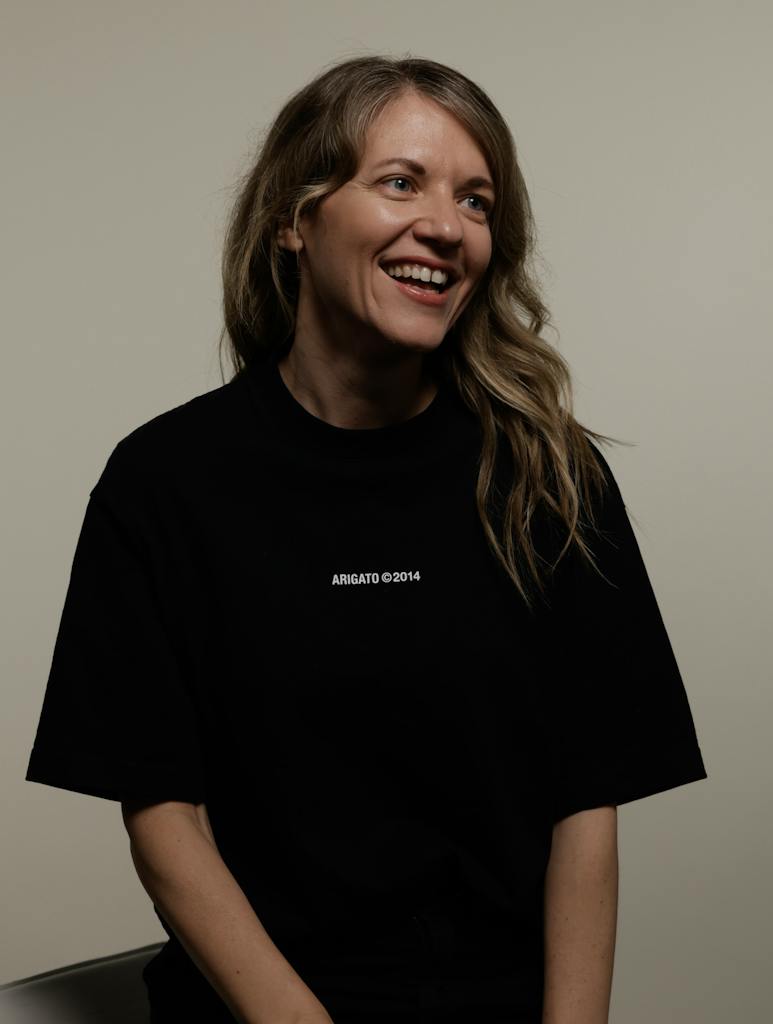
To dive deeper into these findings and what they mean for the future of the UK design industry, Design Week sat down for an exclusive Q&A with Deanna German, global creative director at Affinity.
Design Week: Which unexpected cities actually topped your 50-city ranking, and what gives them an edge over London?
‘Perhaps unexpectedly, Worcester topped the ranking, scoring well above the UK average for creativity. There’s no doubt creativity is thriving in the capital, but London’s high population density means creative spaces are shared across a much larger pool of people and opportunities in the industry are highly competitive.
‘In places like Worcester, along with other cities like Winchester and Salford, the number of spaces like museums, galleries and co-working spaces, relative to the population, was far greater, highlighting how smaller cities can offer strong, accessible creative infrastructure within their local communities.
‘Similarly, when looking at job availability, despite London having the highest number of creative roles, jobseekers face a far more saturated market. Worcester, while still competitive, had a higher rate of job opportunities per person, as well as a relatively high number of creative agencies for a city of its size.
‘While the data is based on a per capita basis and doesn’t necessarily capture the full picture of what it’s like to work in a city as a creative professional, it does show that smaller cities can offer surprisingly strong access to creative opportunities, challenging the assumption that large cities are the only places where design careers can thrive.’
Design Week: What does this decentralisation trend say about where the UK creative sector is heading over the next few years?
‘For years creatives have felt there’s no choice but to seek opportunities in London or risk falling behind, but as the government continues to shift vital funding to other regions and workplace priorities shift, slowly but surely regional cities are becoming creative hubs in their own right.
‘Over the next few years, regional cities might see that they are increasingly able to retain top-tier talent through their creative offering. Combined with lower housing and utility costs and a less competitive environment, this allows young professionals to build a sustainable career without the financial stress of traditional creative hubs like London.
‘We’re also seeing cities lean into their different strengths: Worcester has a strong offering overall, Dundee has strong cultural and design investment, Carlisle has affordability great for professionals kickstarting their careers, Cambridge has opportunity, and Winchester has a wide variety of creative space.
‘As funding and resources continue to be redistributed, regional communities have an opportunity to gain a bigger share of voice in the space, and agencies are more likely to go against the traditional London model. While London will undoubtedly remain a national leader for creativity, this trend will propel regional creative growth forward and bolster local economies, giving every region a platform and resources to nurture their creative talent.’
Design Week: Beyond job density and salaries, what does a city really need to nurture and keep a thriving creative community?
‘While jobs and competitive pay may draw talent to a city, it’s the creative ecosystem that keeps them there. Access to third spaces – from galleries and studios to co-working spaces and events where professionals can network with like-minded individuals – is vital to nurturing creativity in a city. Alongside this and physical workspace, there need to be grants and pop-up venues where creatives can showcase their work.
‘Ultimately, by creating spaces for people to connect, grow and nurture their creativity, it keeps the creative community thriving and cultivates a sense of belonging.’
Design Week: What practical steps should agencies, both inside and outside the capital, be taking right now to adapt to these shifting talent hubs?
‘Building early talent pipelines by partnering directly with regional universities, colleges and local networks allows agencies to mentor and train future talent before they start considering opportunities elsewhere. There’s also an opportunity to make the most of the creative ecosystems already developing around them, in building stronger connections with the local community and investing in regional talent to create a sustainable pipeline for the future.
‘Rather than a back-to-office mandate, which can shrink the available candidate pool, consider how teams can work together and collaborate across regions as talent becomes more geographically dispersed. Shifting from physical in-office attendance to a hybrid model encourages the focus to remain on prioritising creativity, attracting and retaining top-tier talent and keeping agencies agile in the face of ever-evolving landscapes.
‘Ultimately, as proximity to traditional creative hubs is becoming less of a prerequisite for building a successful creative career, agencies really need to consider what they can offer and what sets them apart from others. That could mean investing in the benefits package, learning and development opportunities, progression, or company culture to give talent more compelling reasons to choose an agency.’
Become a Design Week member for £4/month or £40/year
Already a member? Sign in.







 Estudio EA