



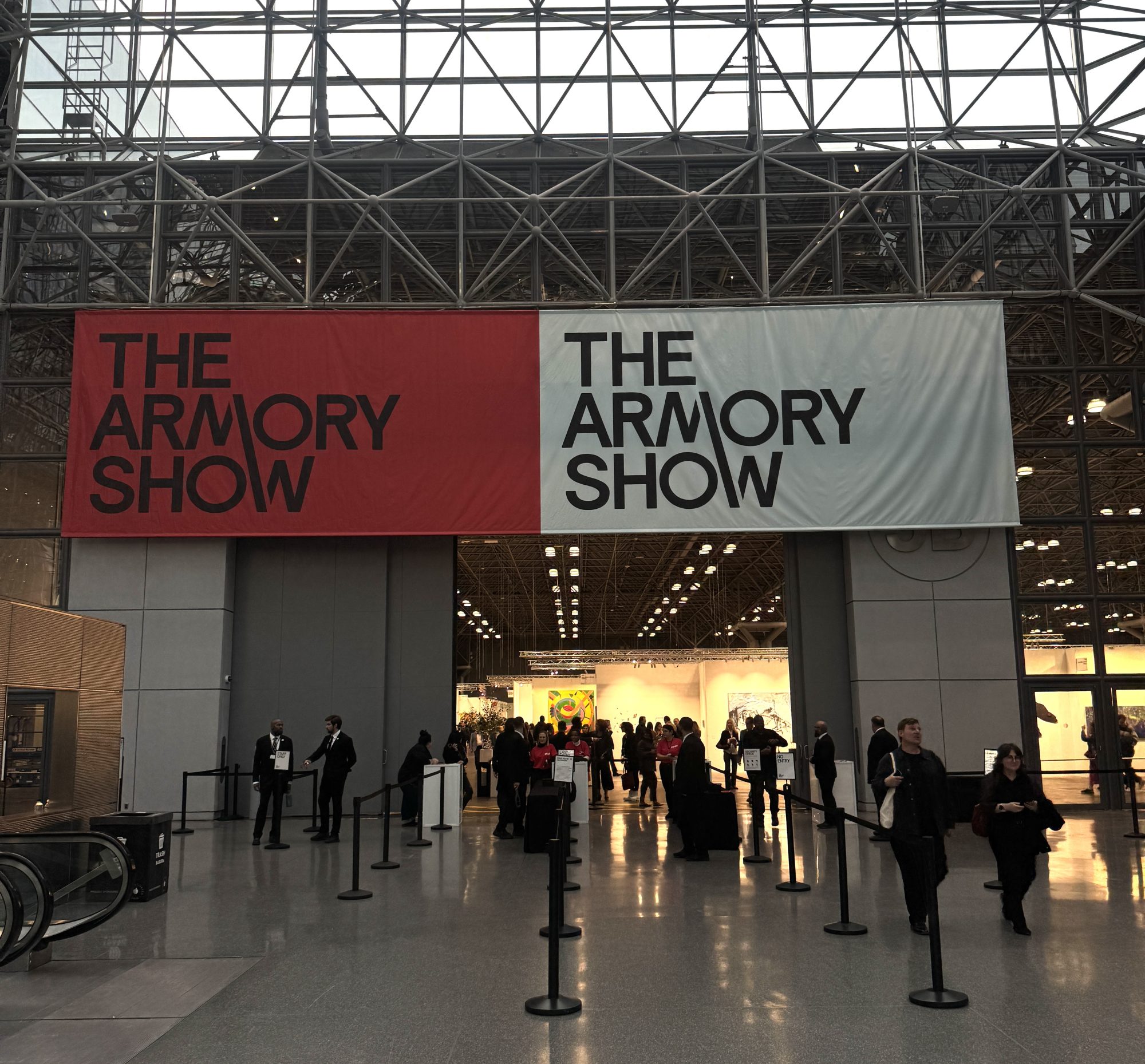

At Thursday’s invitation-only VIP Preview, The Armory Show opened its 2026 edition at the Javits Center with more than 240 exhibitors. A fair of that scale rarely lends itself to a single reading, but this year had a discernible thread: the Caribbean and its diasporas extend through the curated Focus and Platform sections, gallery presentations, and performance, while expanded Solo and Presents sections make greater room for concentrated presentations and younger galleries.
Some of the most compelling encounters, however, came from moving between works that had very little in common.
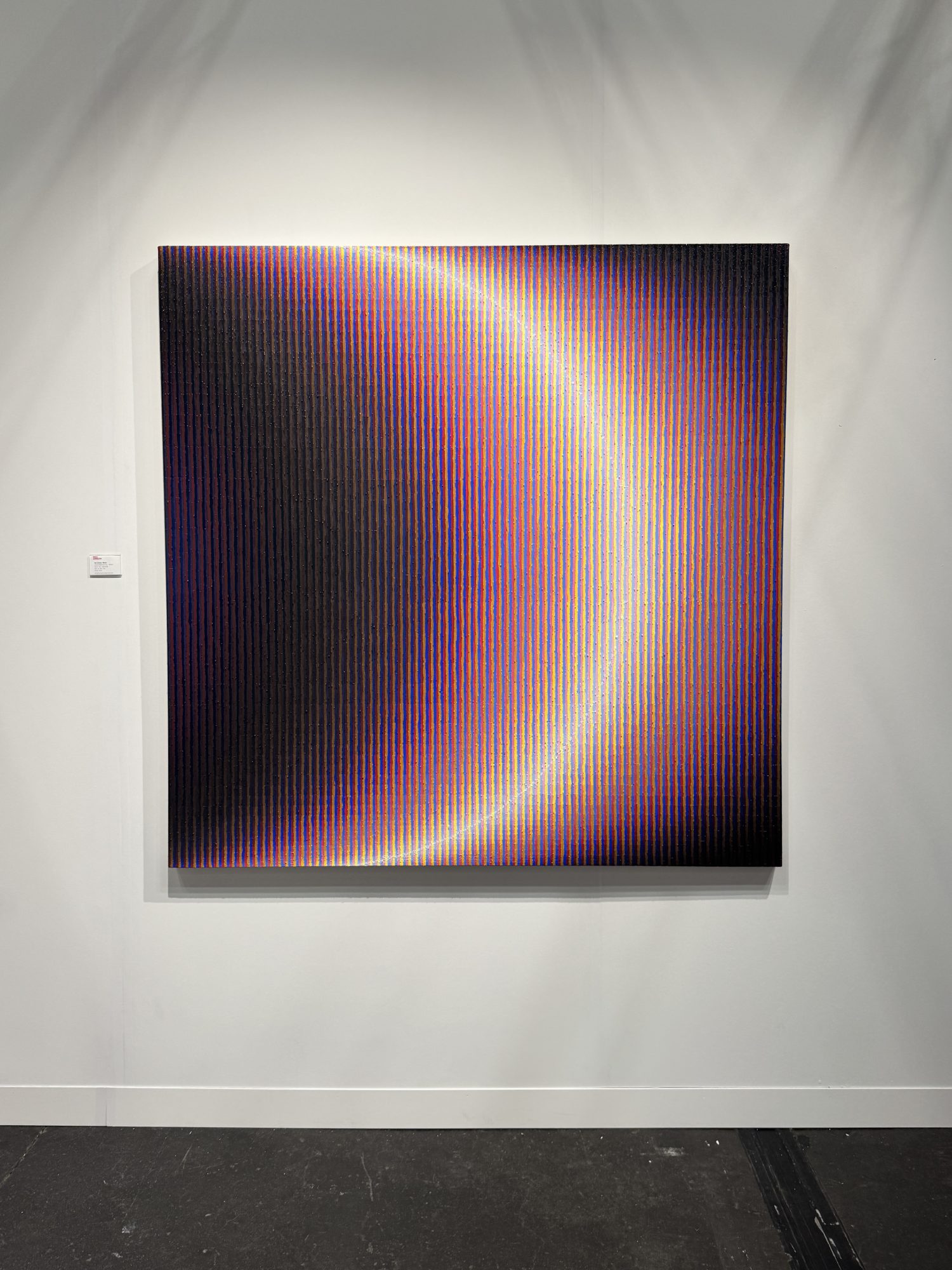
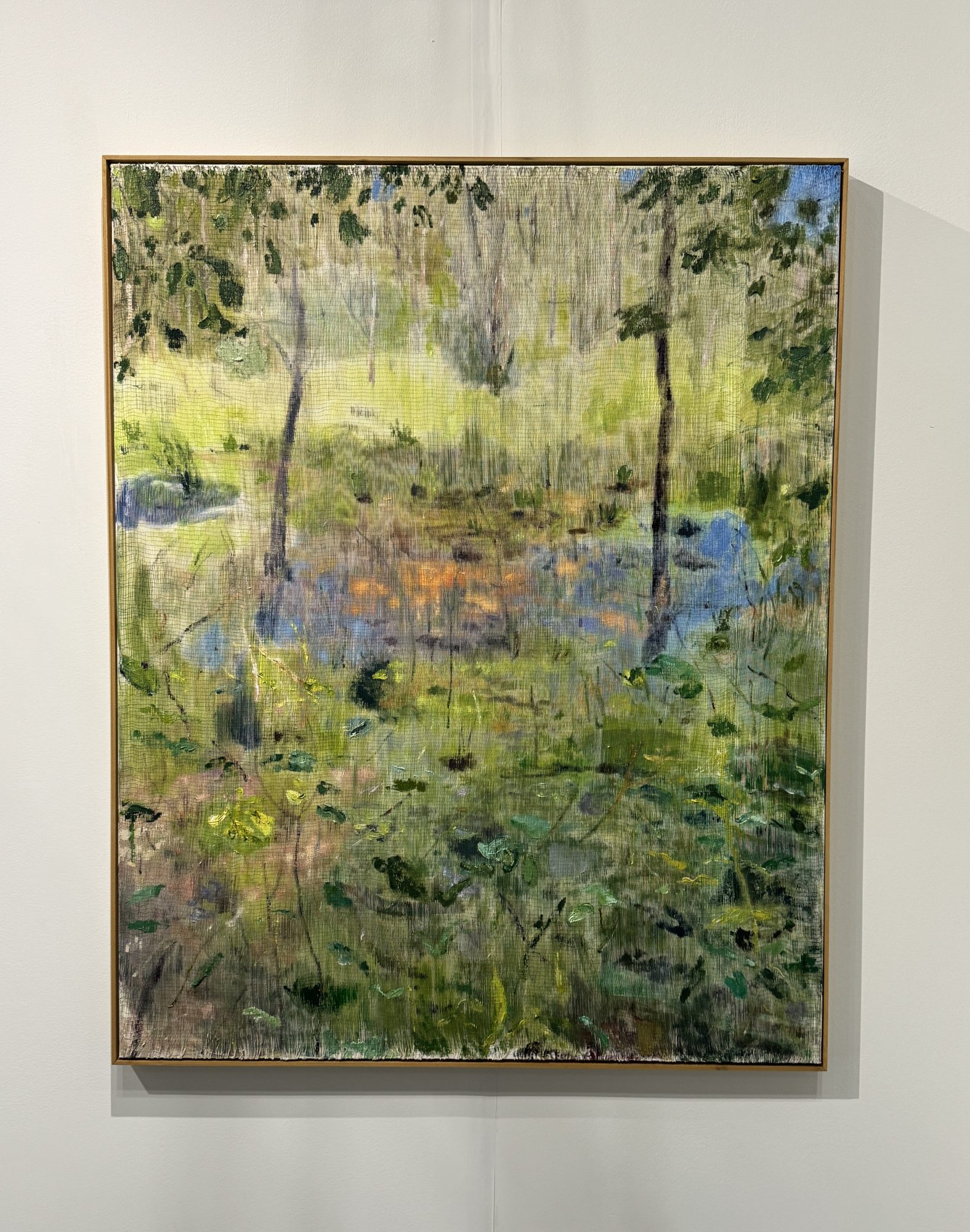
At Red Arrow Gallery, Brianna Bass’s solo presentation approached abstraction through tightly constructed systems of color and pattern. Beginning with mapped grids and incremental color mixtures, Bass allows those systems to become increasingly unstable, connecting the act of looking to language, perception, cosmology, and her own experience of hearing loss. A few aisles away, Lobster Club made its Armory debut with Megan Koons’s first solo presentation at an art fair, bringing together paintings in which acrylic color fields are interrupted and extended by sections of handwoven textile. In both cases, surface became something to decipher rather than simply look at.
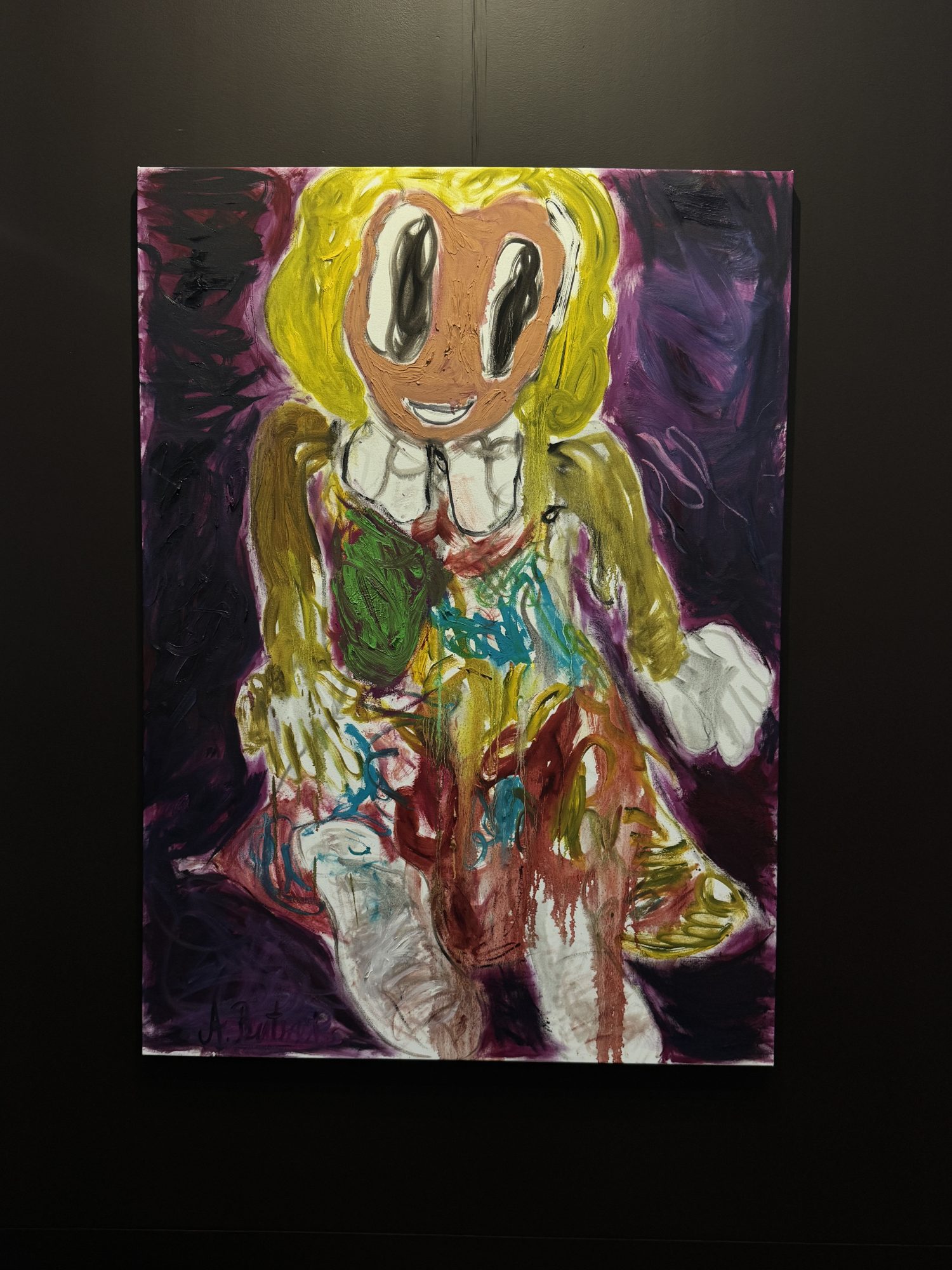
Painting shifted considerably in character elsewhere. André Butzer at Nino Mier brought a more immediate visual intensity, while Celia Paul’s work at Victoria Miro occupied a quieter register. Paul appeared as part of a focused presentation with Doron Langberg, Tal R, and Clare Woods devoted entirely to flowers—a traditional subject treated through four distinctly contemporary approaches to color, gesture, and observation. Against the density of the wider fair, the restraint of the presentation was particularly effective.
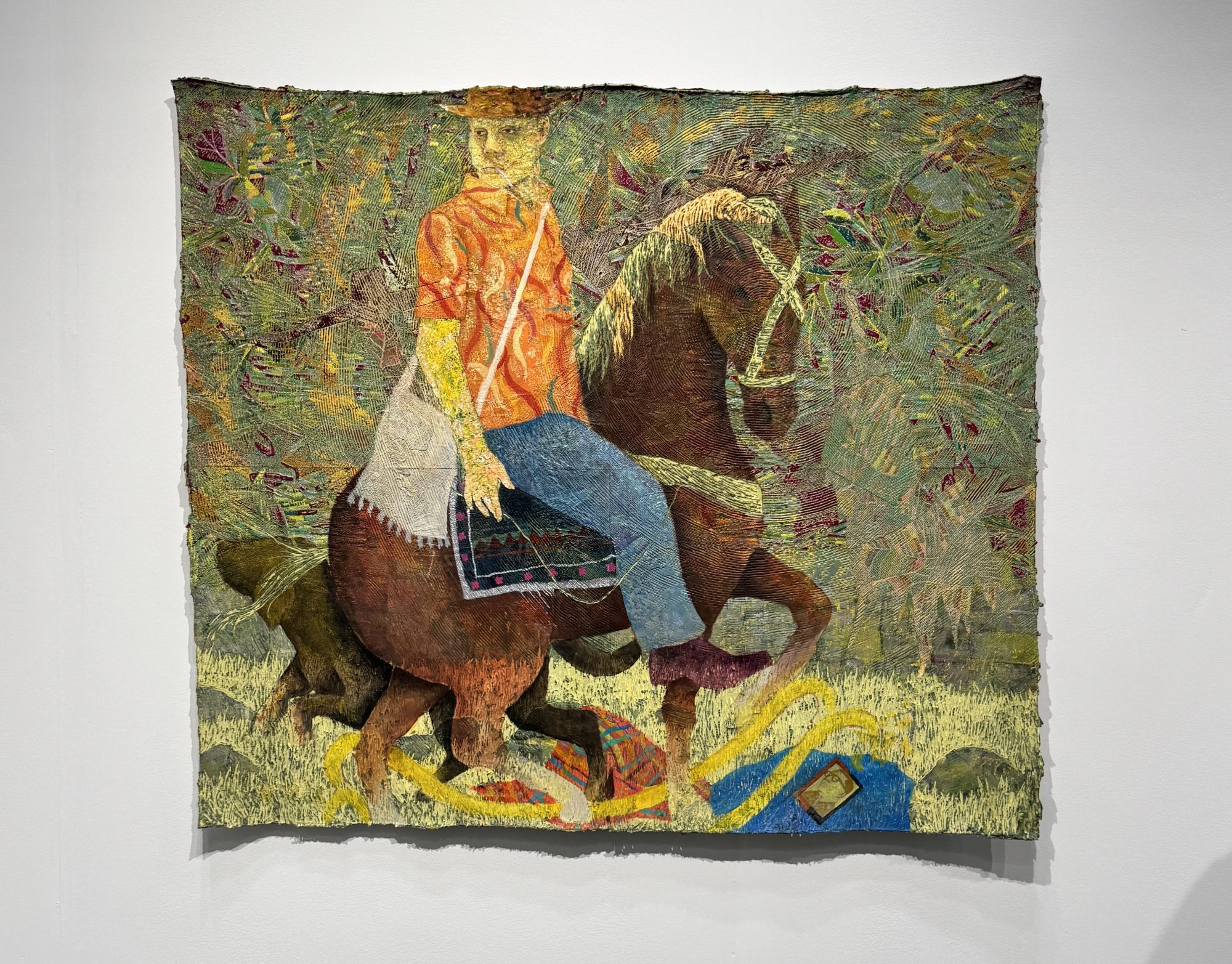
The fair’s Caribbean focus was most persuasive where it emerged through individual practices rather than as an overarching label. Perrotin devoted its booth to Kathia St. Hilaire, whose layered paintings and prints draw on Haitian history, migration, occupation, Vodun traditions, and the literary movement of Spiralism. Her process—printing, sanding away, collaging, and rebuilding imagery—gives those histories a physical sense of fragmentation and recurrence.
Tavares Strachan approached the region from an entirely different direction at Marian Goodman Gallery. Conceived specifically for the fair, Special Blue: Act I is a live activation unfolding through sound, movement, image, and object. Rather than treating the Caribbean as a fixed identity, Strachan looks to it as a geography shaped by migration, exchange, displacement, and overlapping cultural traditions — bringing performance into a fair still largely structured around objects for display.
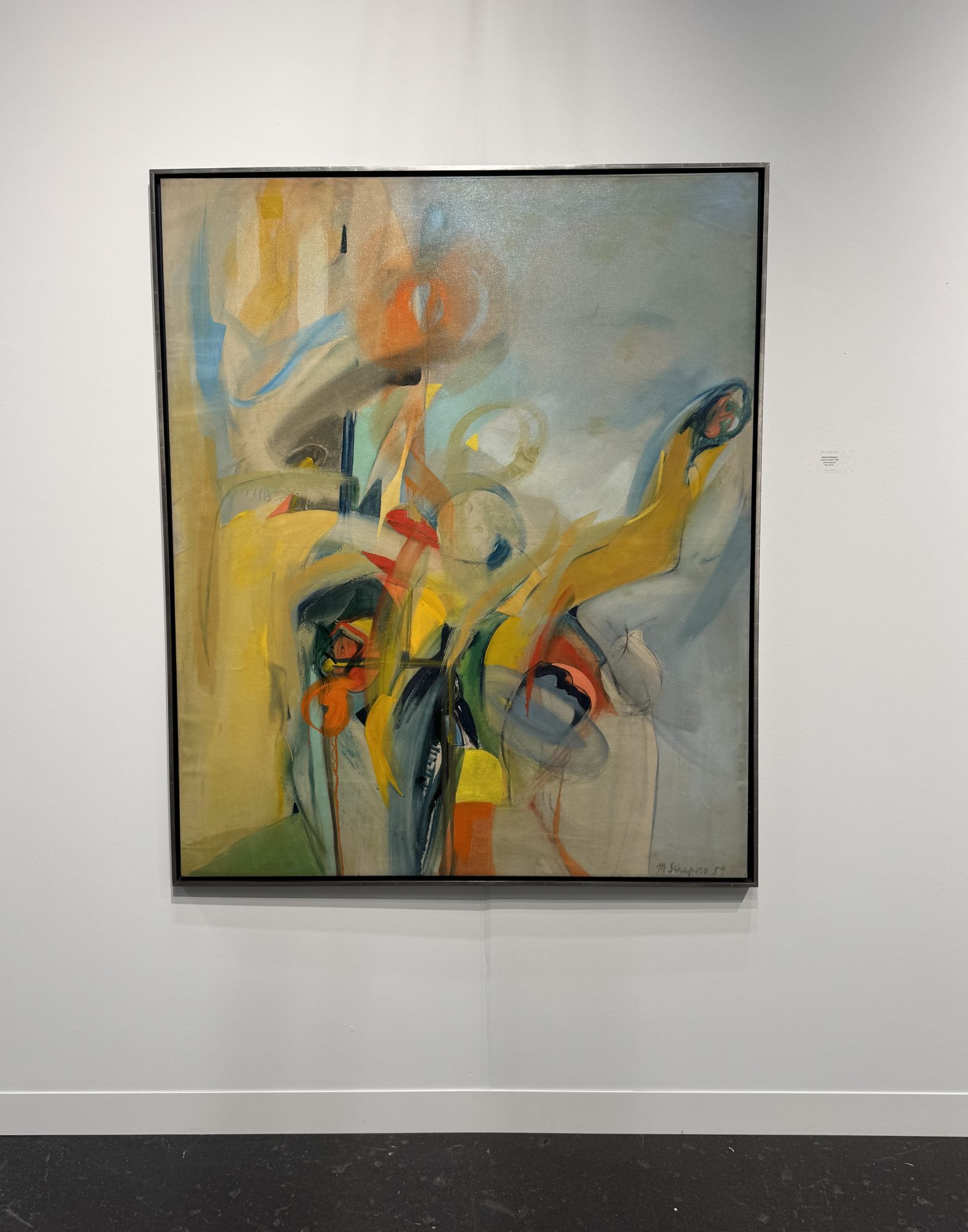
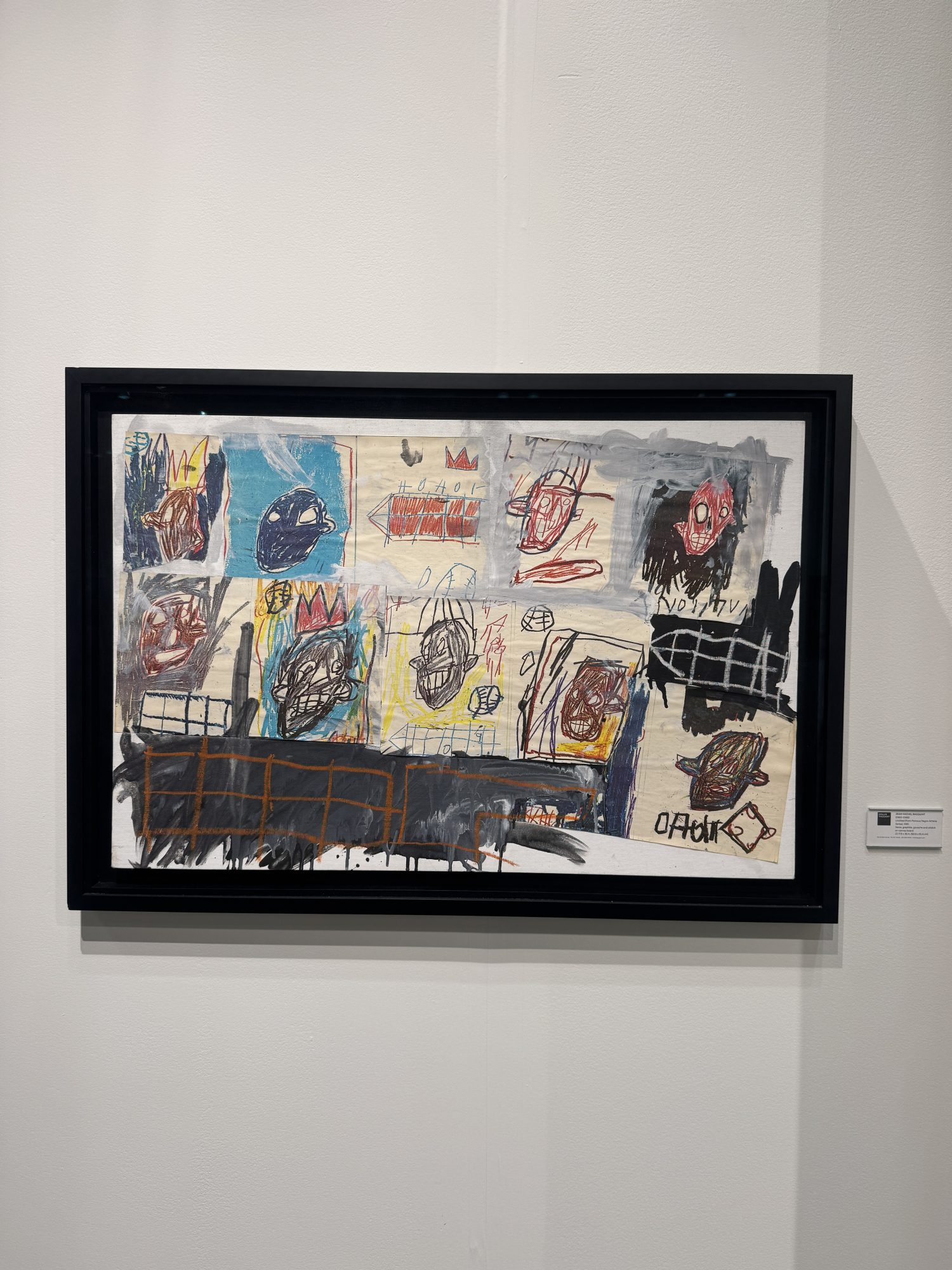
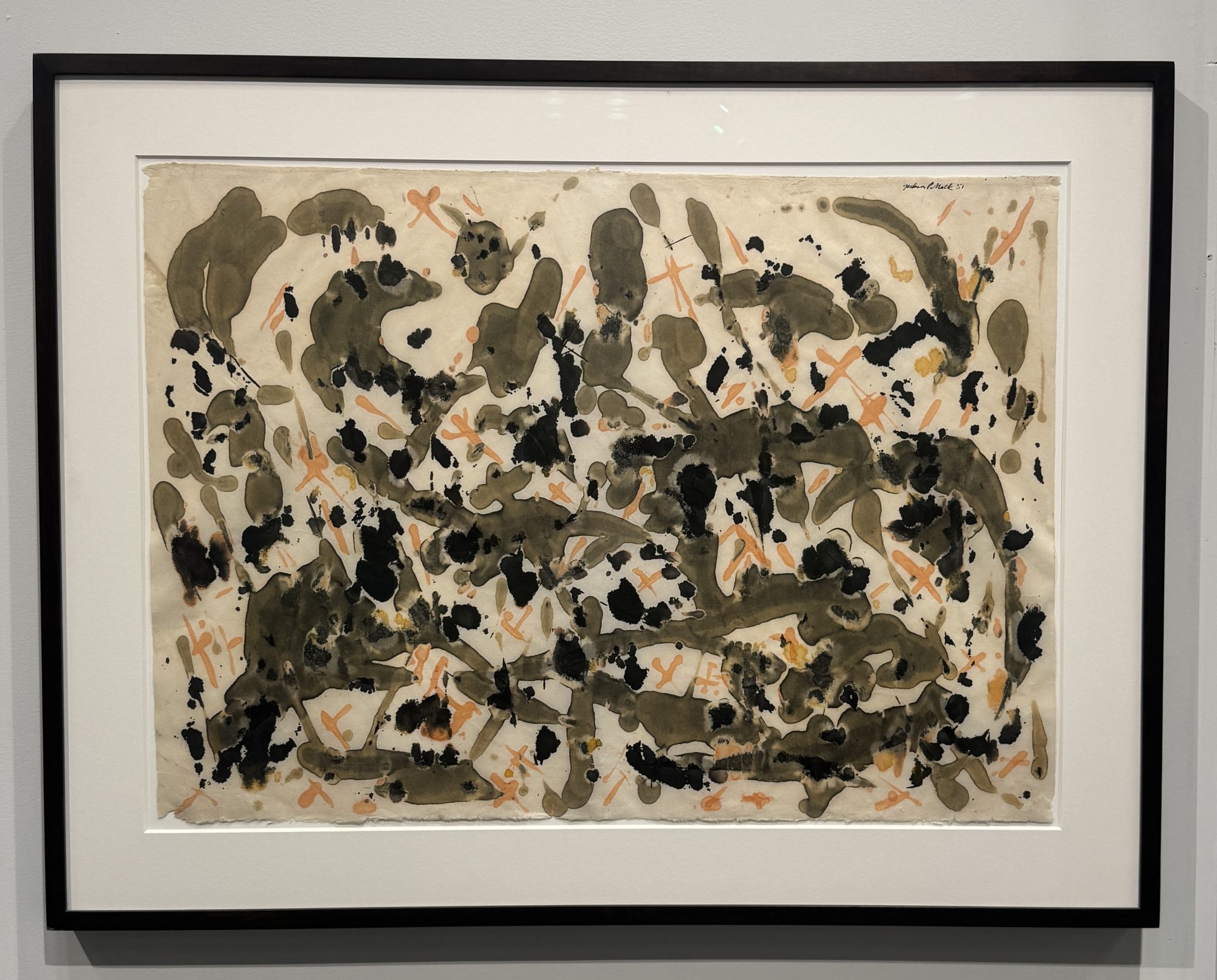
There were equally strong moments where the contemporary fair briefly opened onto older histories. Rukaj Gallery’s presentation examined artistic exchange between postwar Canada and the United States, with Miriam Schapiro providing an important link to the emergence of feminist art on the West Coast and her collaboration with Judy Chicago on the Feminist Art Program and Womanhouse. Hollis Taggart took another route through American postwar art, placing Jean-Michel Basquiat and Jackson Pollock alongside Michael (Corinne) West and other artists whose roles within New York abstraction have historically received less attention.
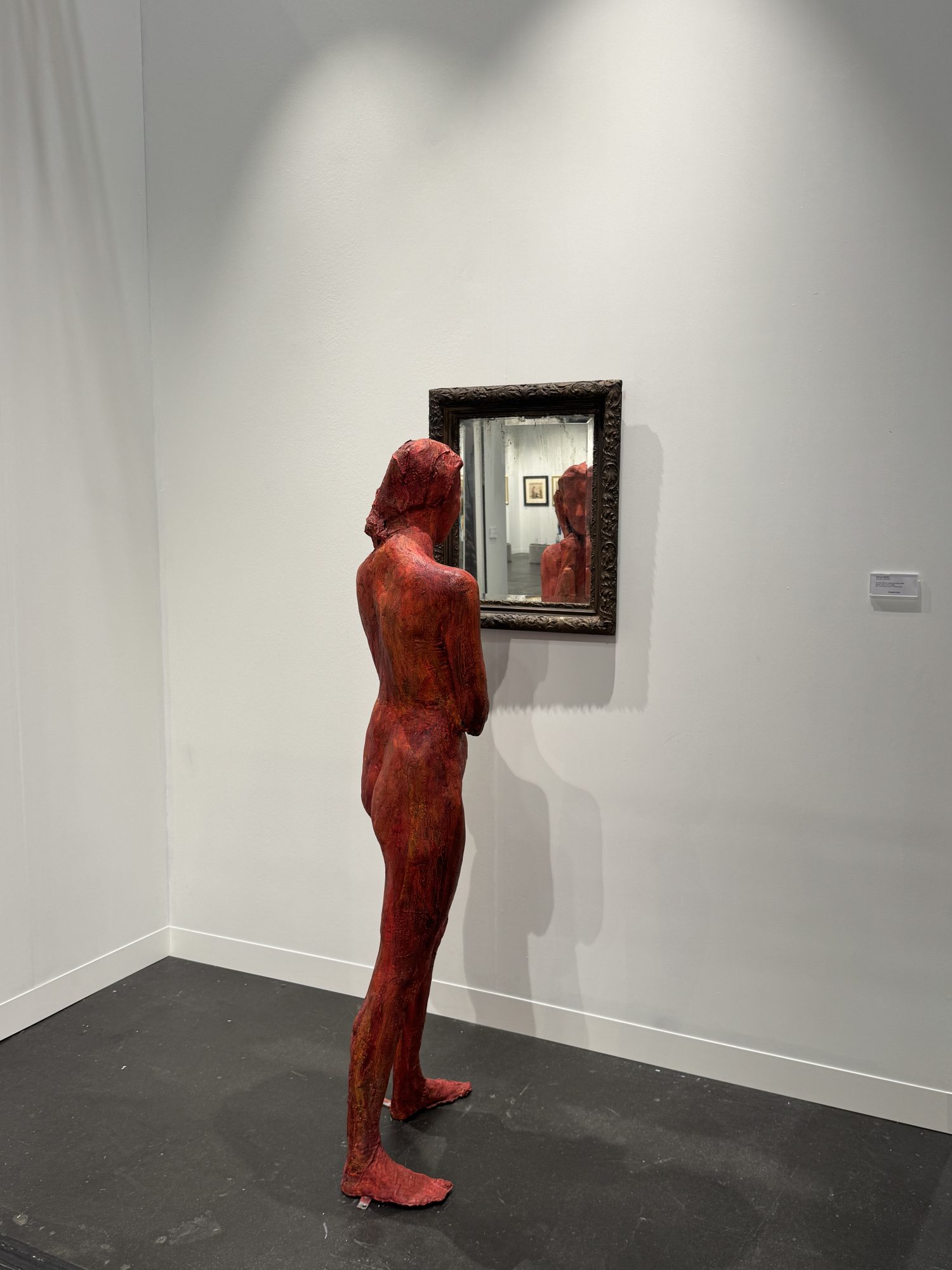
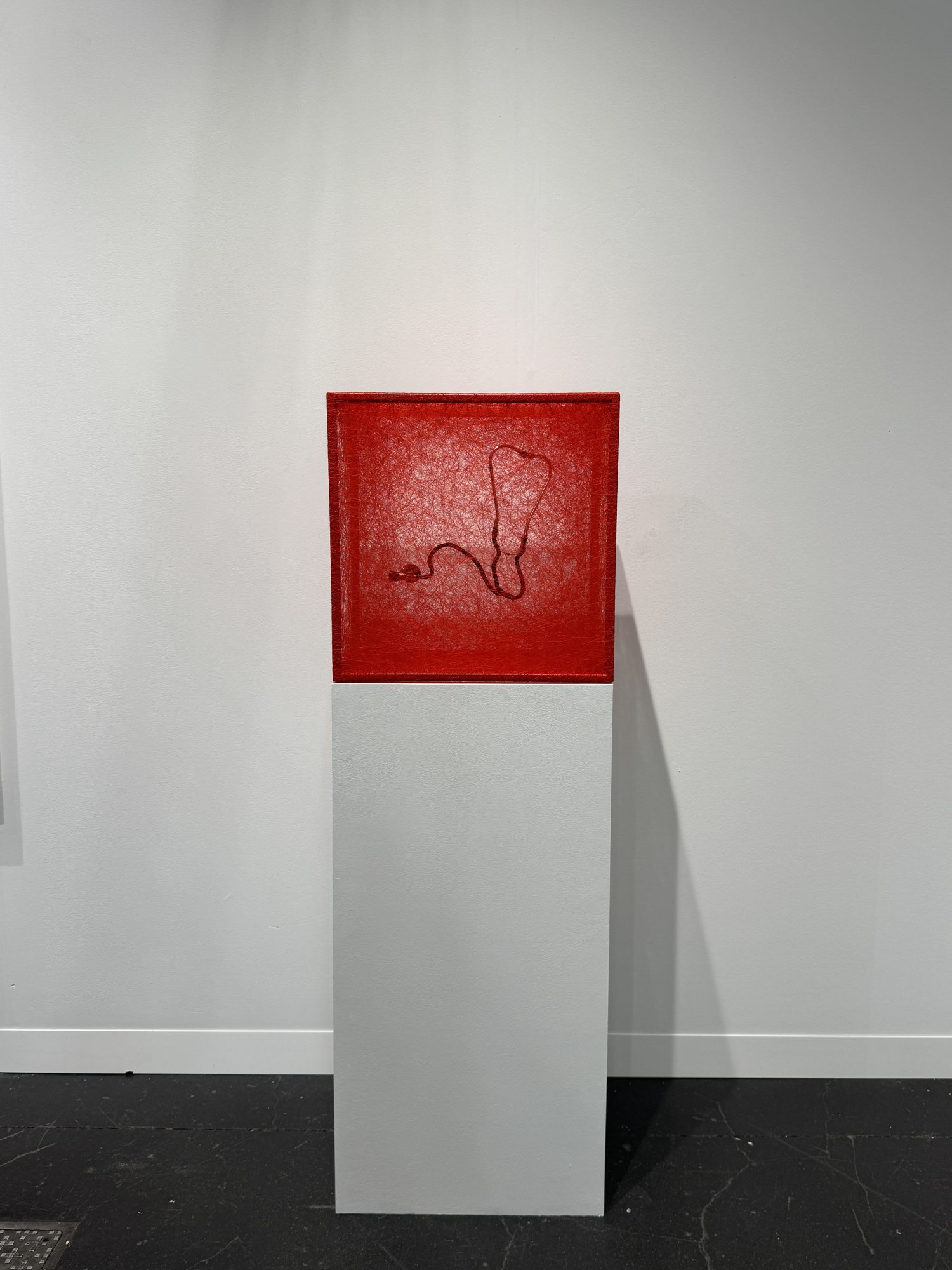
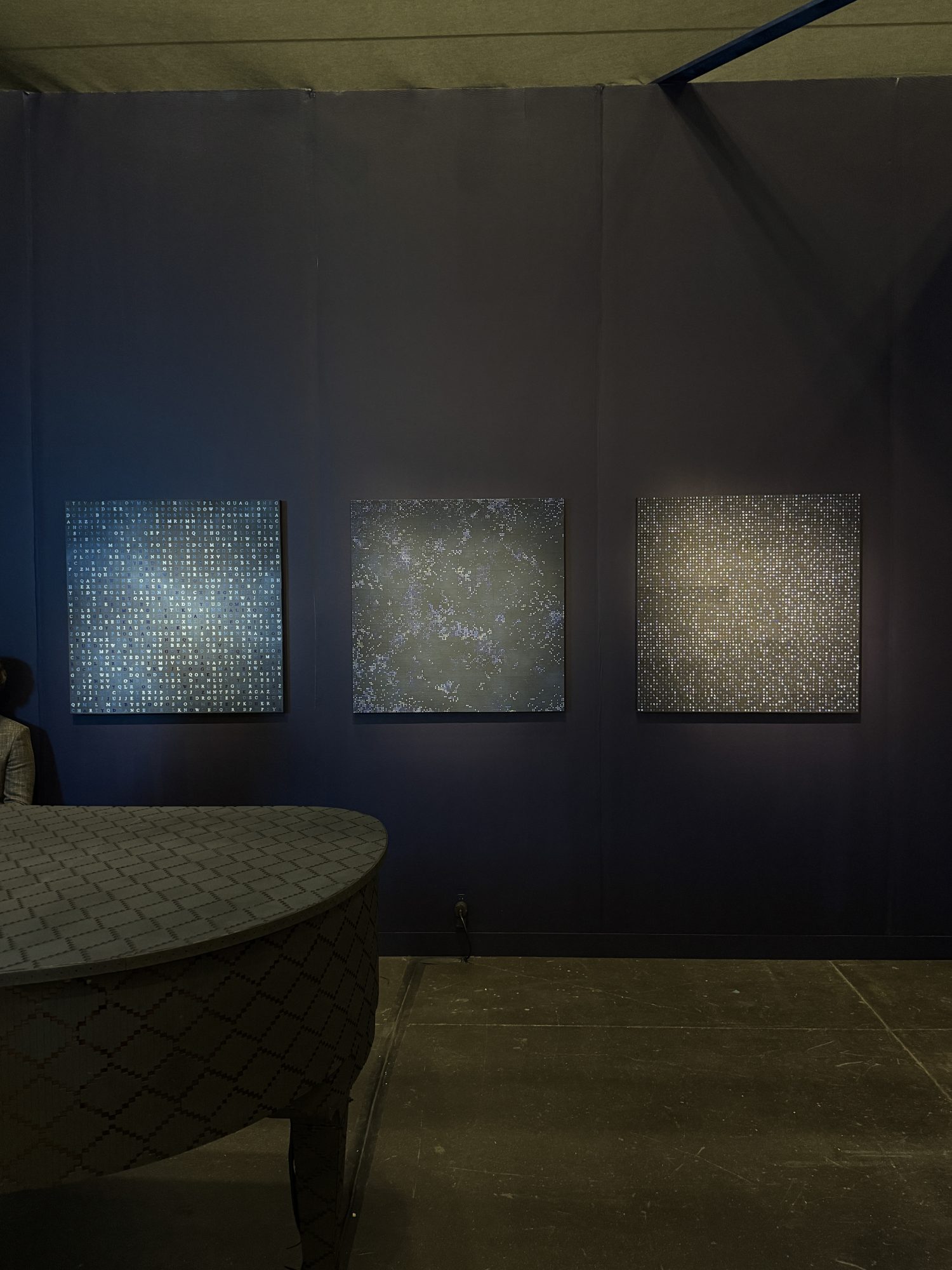
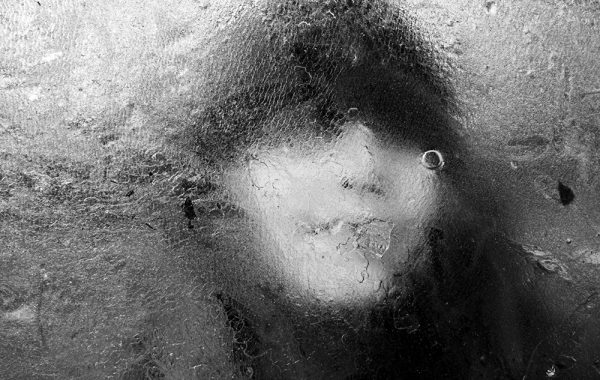
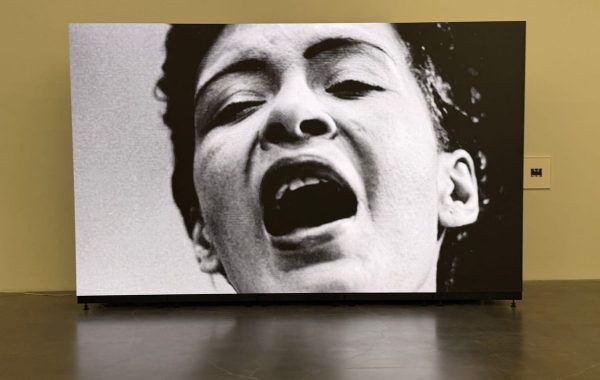
That movement across generations continued elsewhere. Galerie Templon brought George Segal into proximity with contemporary practices by David Smalling and Chiharu Shiota, while Alex Katz at Peter Blum and Frederic Anderson at Van de Weghe offered very different understandings of what painting can retain through economy of form and color. Rafael Lozano-Hemmer at Galería Max Estrella shifted the register again, introducing the technological and participatory concerns that have long run through his practice. Max Estrella is participating in the 2026 fair and continues to represent Lozano-Hemmer, whose recent work has centered on responsive technologies involving the body, voice, movement, and biometric information.
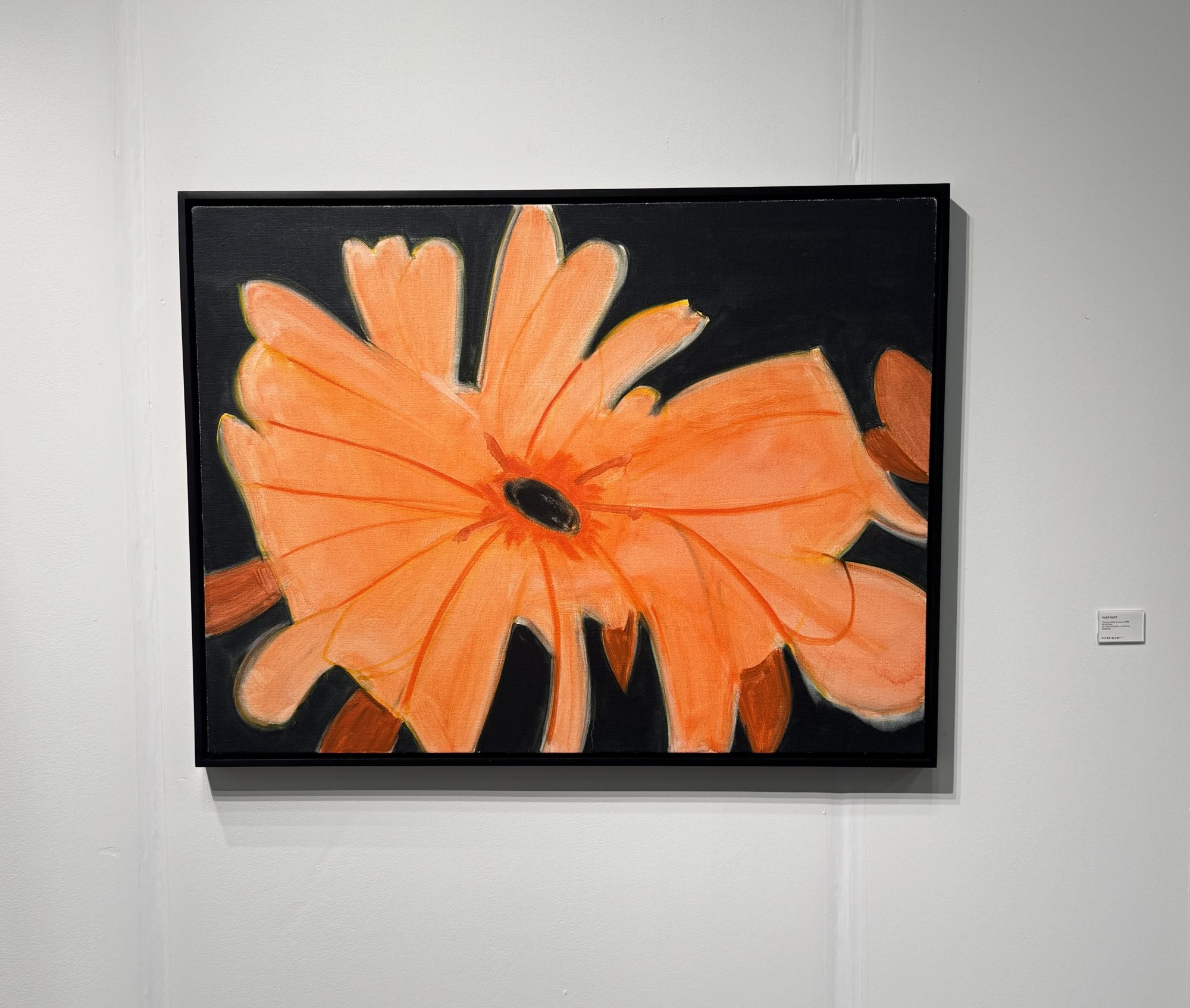
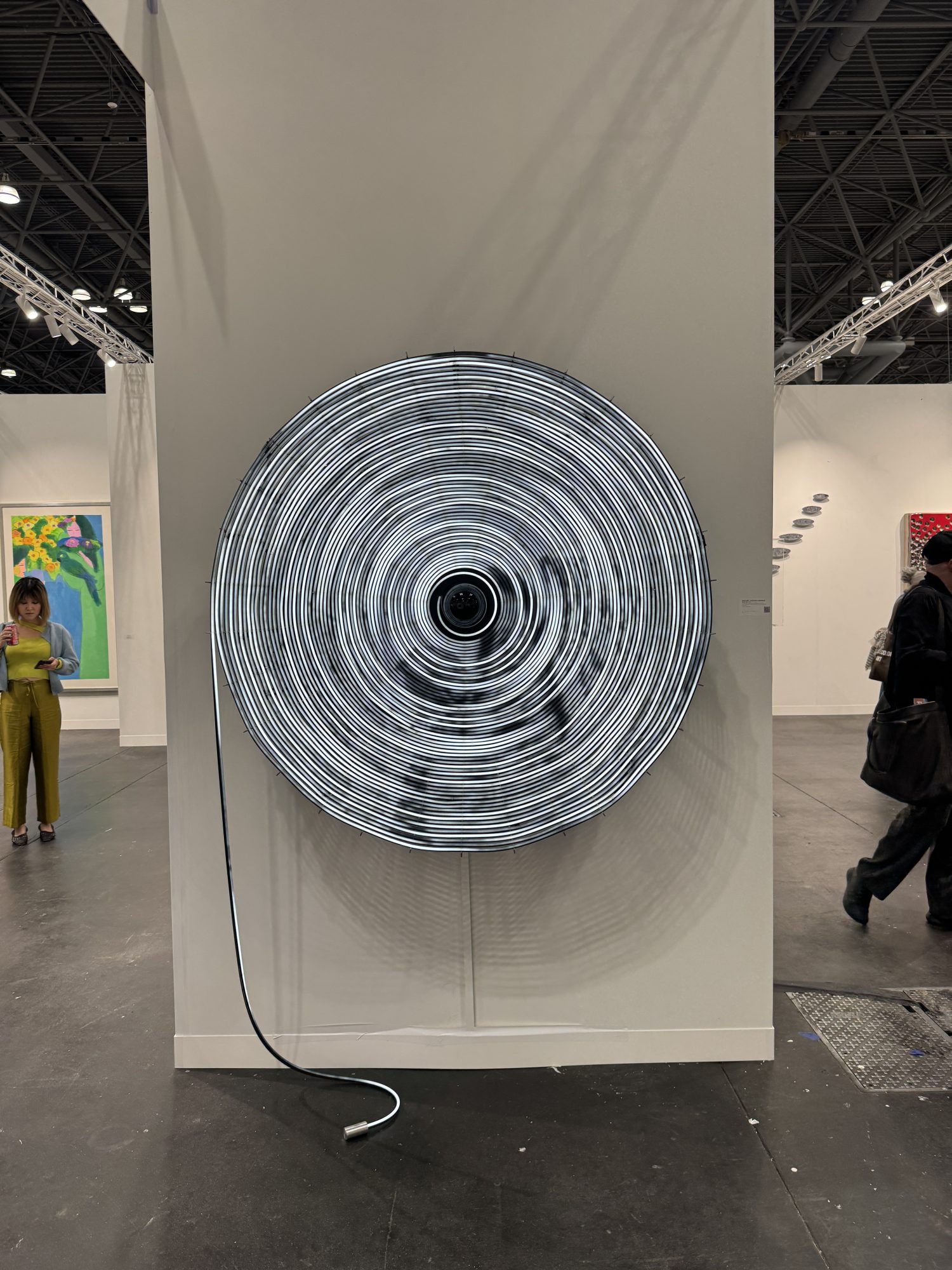
What stayed with us from the VIP Preview was that constant change of pace: from the calculated color systems of Bass to Koons’s woven surfaces; from Schapiro and Segal to St. Hilaire and Strachan; from the immediacy of painting to works dependent on technology, performance, textile, and installation.
The Armory Show’s scale can be overwhelming, but it also allows these very different histories and practices to exist within a few steps of one another. This year, some of its most interesting moments were found precisely in the distance between them.
by Victoria Sutrisno
Images by V. Sutrisno
on Saturday, September 26th, 2026 at 8:49 pm and is filed under AO On Site, Art Fair, Art News, Featured Post.
You can follow any responses to this entry through the RSS 2.0 feed.
Both comments and pings are currently closed.
 Estudio EA