


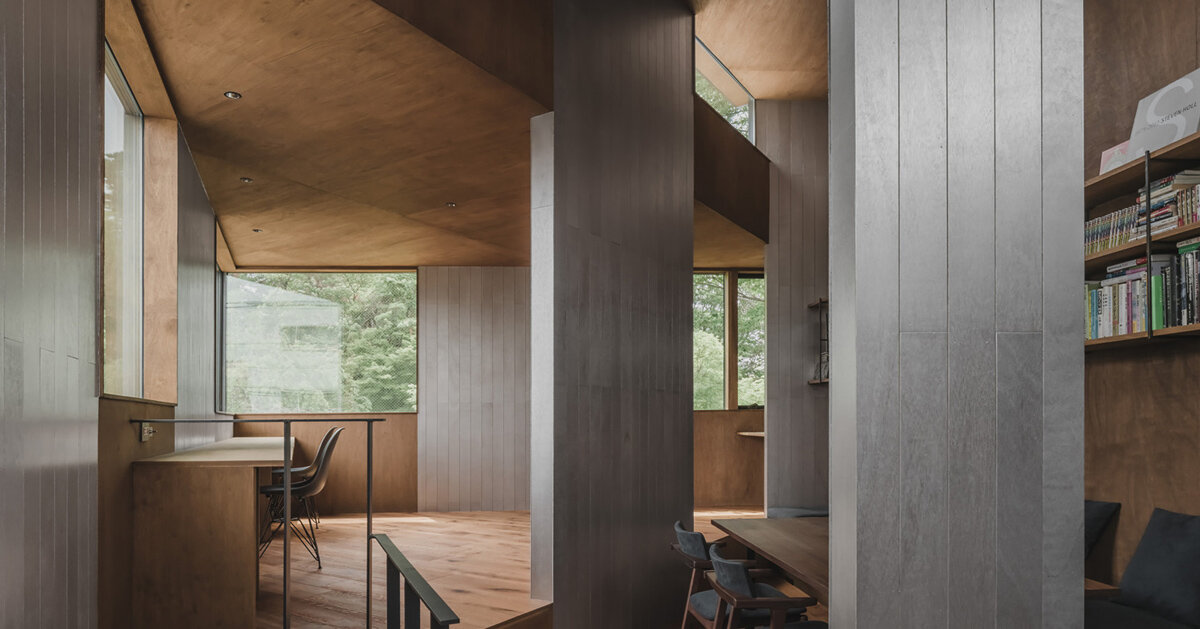

forest of timber walls replaces a conventional room sequence
House of Wall Forest in Tokyo, Japan, by IGArchitects explores how the spatial clarity and structural presence commonly associated with reinforced-concrete architecture can be translated into timber construction. Rather than using timber to create a conventional sequence of rooms, the house is organized around a series of structural walls. These walls simultaneously define space, carry the building, guide movement, and frame views. The spaces emerge between and around them, creating a continuous sequence rather than a collection of enclosed rooms.
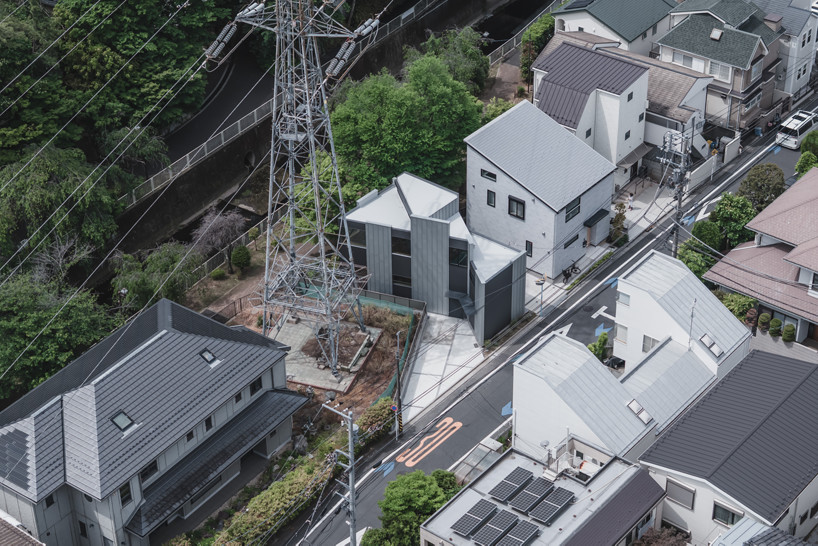
all images by Ooki Jingu
a strong timber framework opens the house to changing uses
The project deliberately gives timber a sense of mass and permanence. Its structure is expressed clearly, creating a spatial character closer to that of a reinforced-concrete building while retaining the material qualities of wood. Openings and gaps between the walls allow light, movement, and views to pass through the house. Although the architectural framework is strong and clearly defined, the resulting spaces remain open to different uses and interpretations. For the design team of IGArchitects, House of Wall Forest is part of an ongoing investigation into architecture as a durable framework for living. Rather than prescribing how a house should be used, the architecture establishes a strong spatial order that can accommodate changing lifestyles over time.
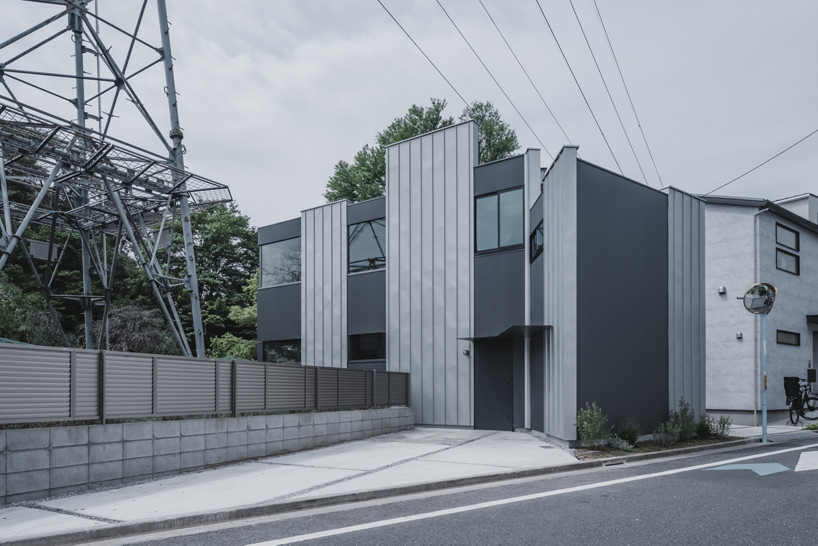
IGArchitects builds House of Wall Forest in Tokyo, Japan
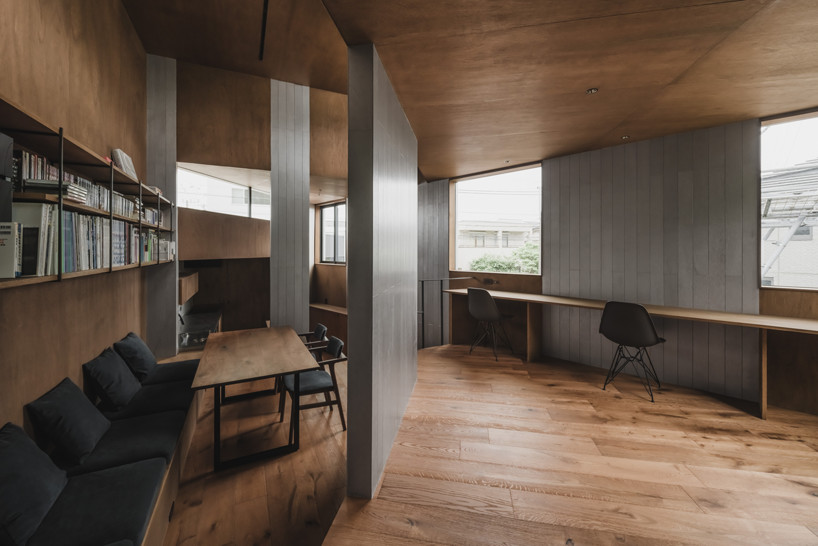
the house is organized around a series of structural walls
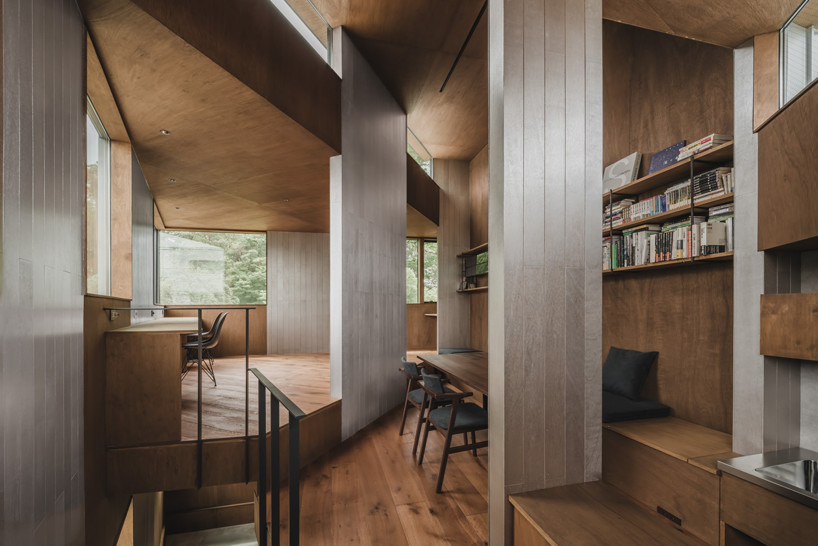
timber walls define the structure while dividing the interior into spaces
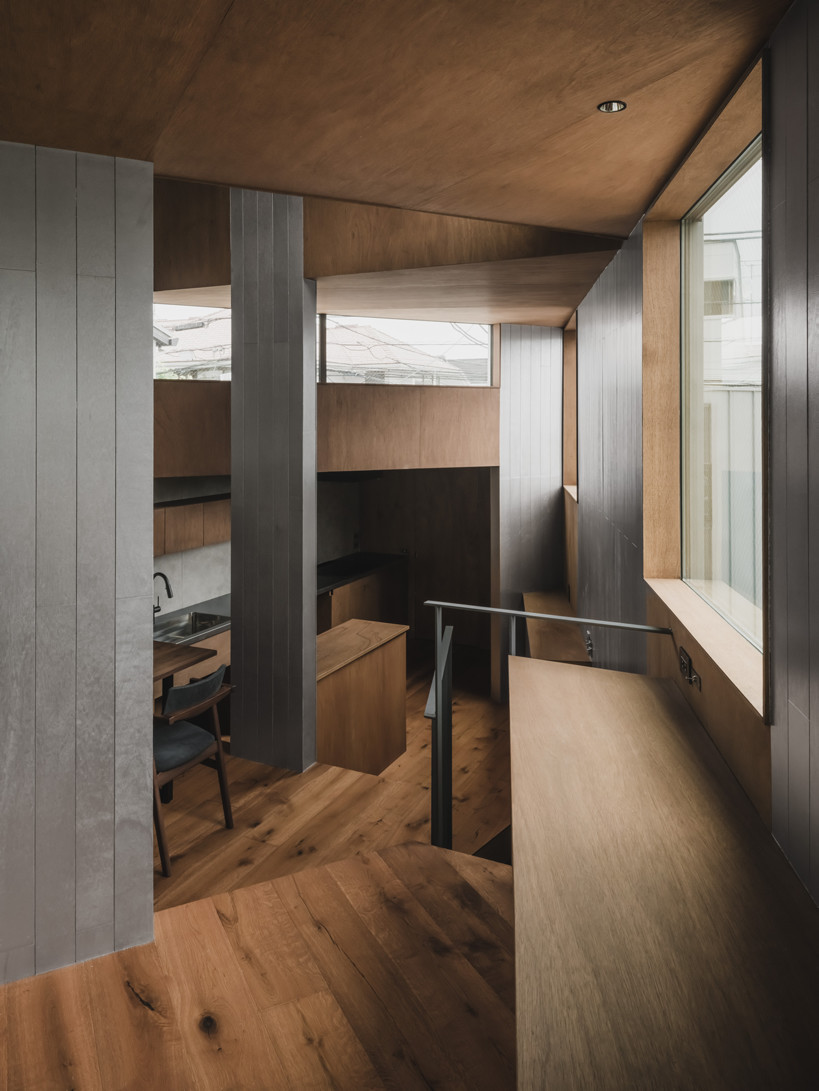
spaces emerge between and around the structural wall system
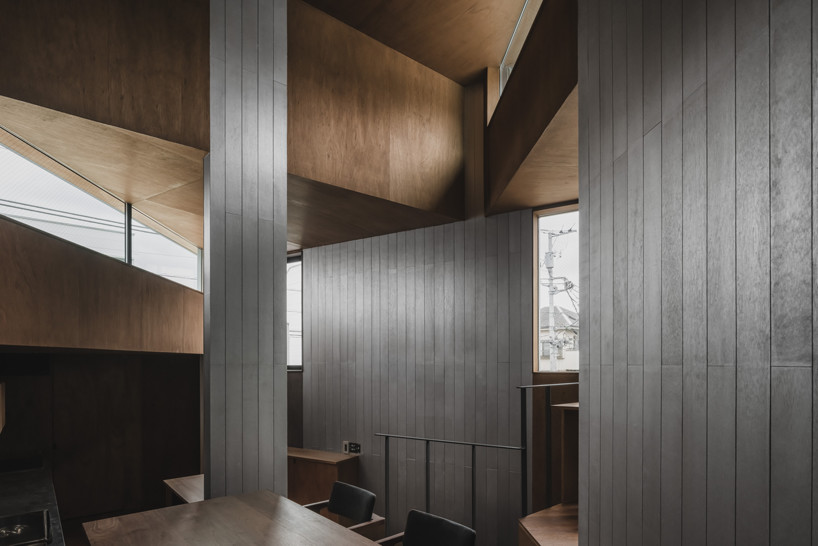
the walls guide movement and frame views throughout the house
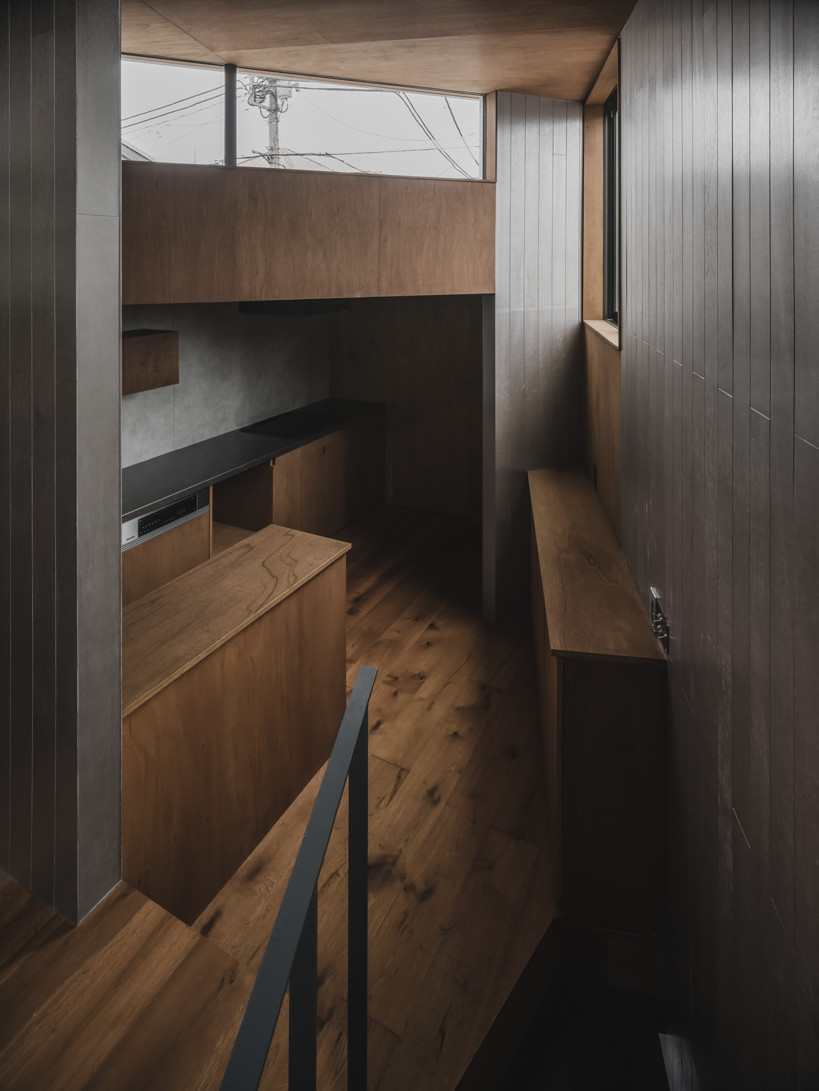
a continuous sequence replaces a conventional arrangement of enclosed rooms
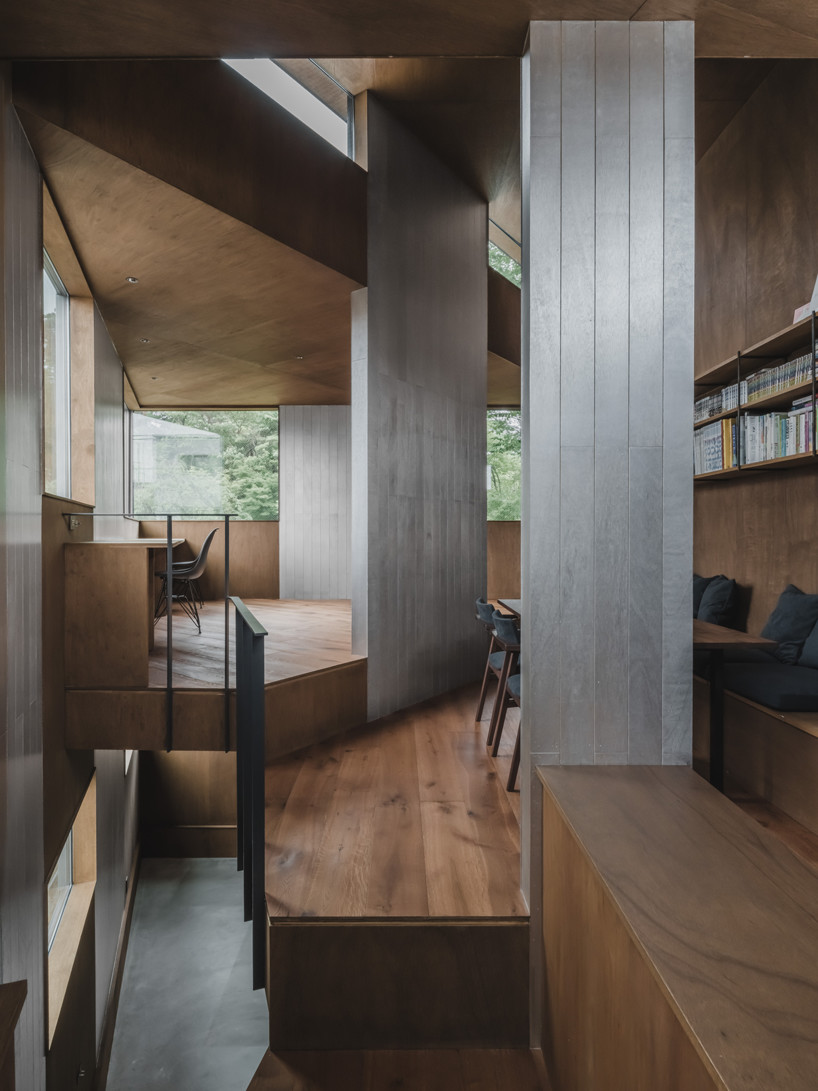
the timber structure gives the house a strong architectural presence
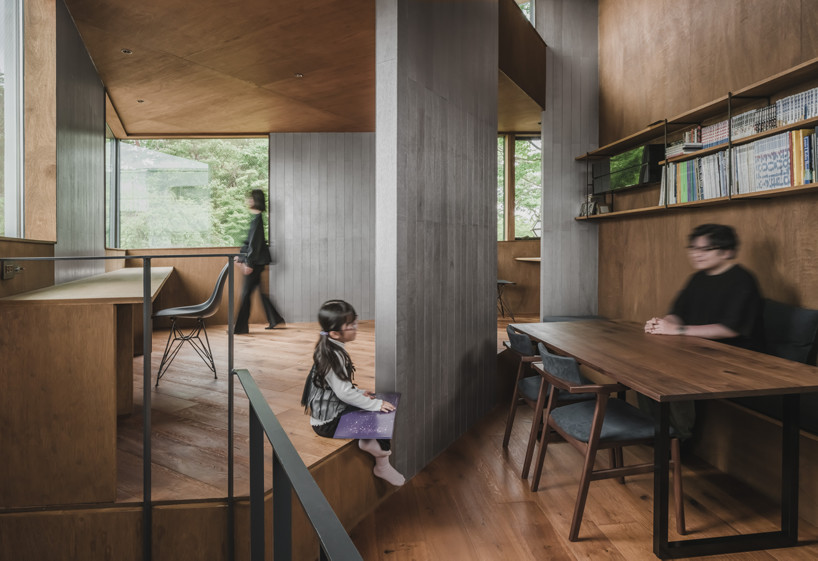
gaps in the structural framework connect different areas of the interior




 Estudio EA