



Never-Before-Seen Cellphone Footage Shows the Terror Underground During the Chilean Mining Disaster

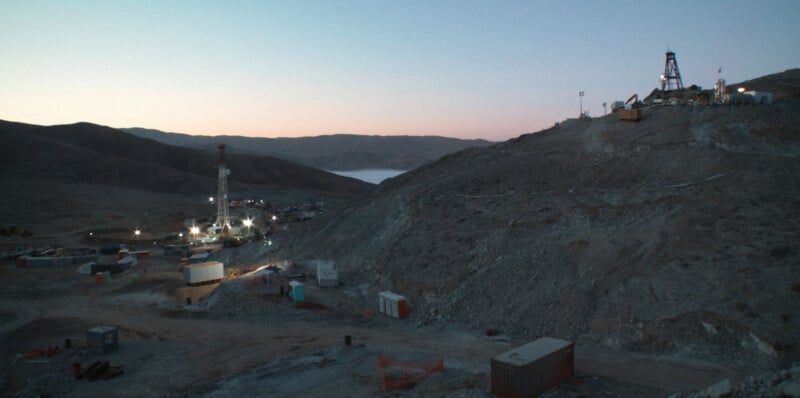
In 2010, the world watched as 33 miners were trapped half a mile beneath the surface of the Earth in Chile’s Atacama Desert for 69 days. These miners faced complete darkness, immense stress, and a never-ending expectation of death. Their experiences and how the rest of the world experienced the event are on full display in a new three-part National Geographic series, Chilean Mine Rescue: Race Against Time.
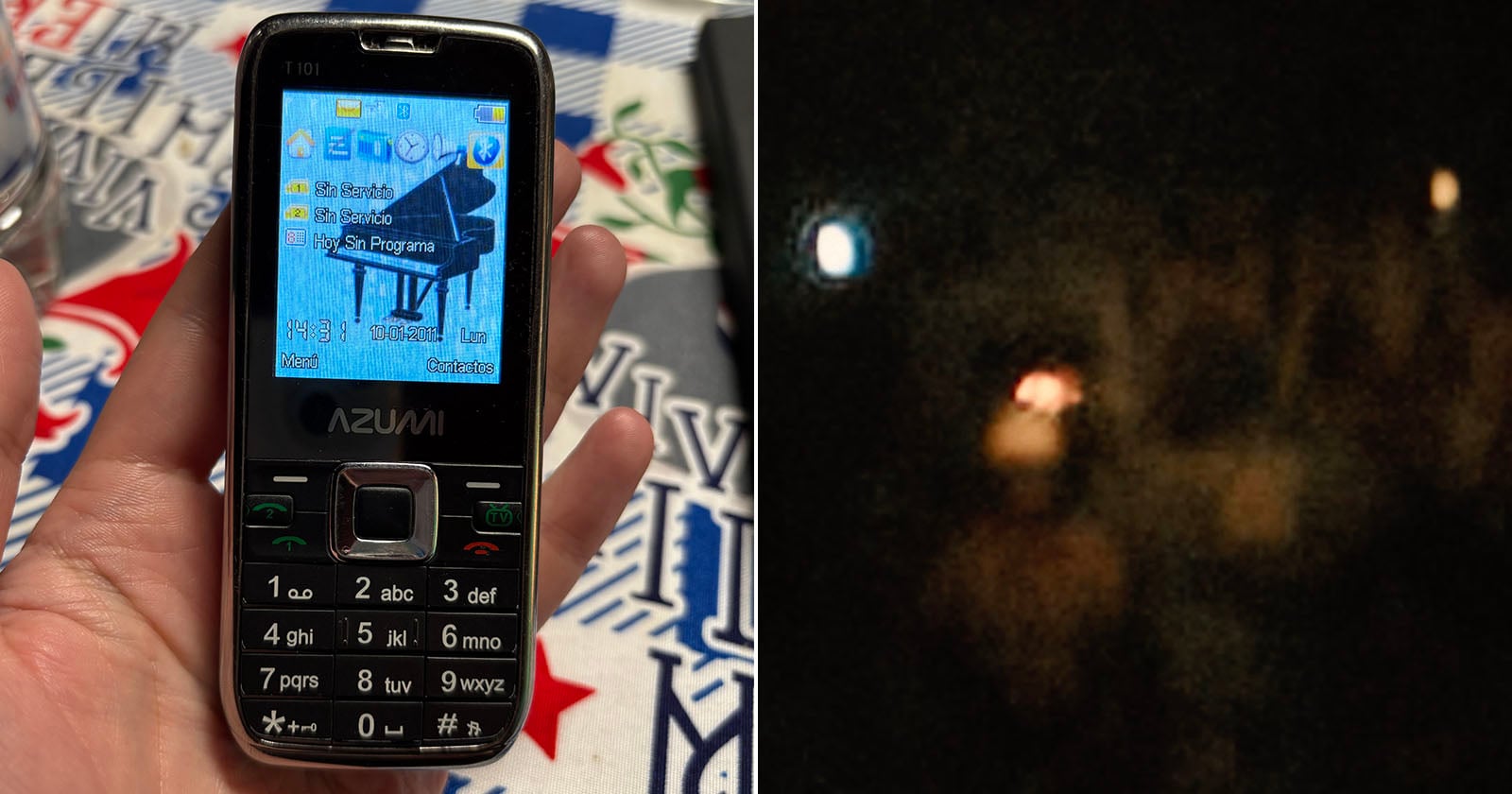
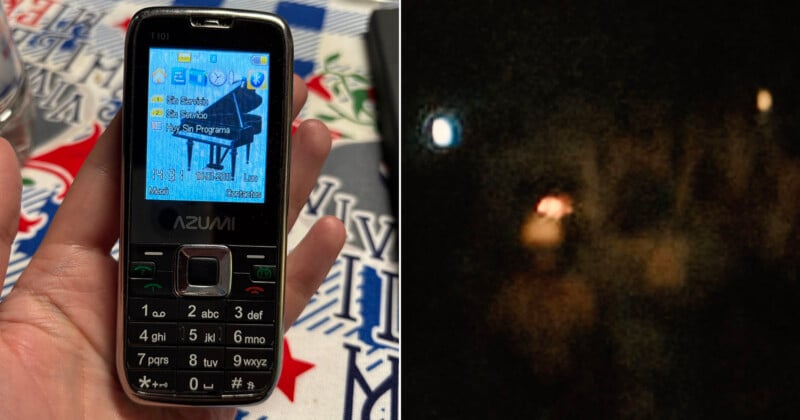
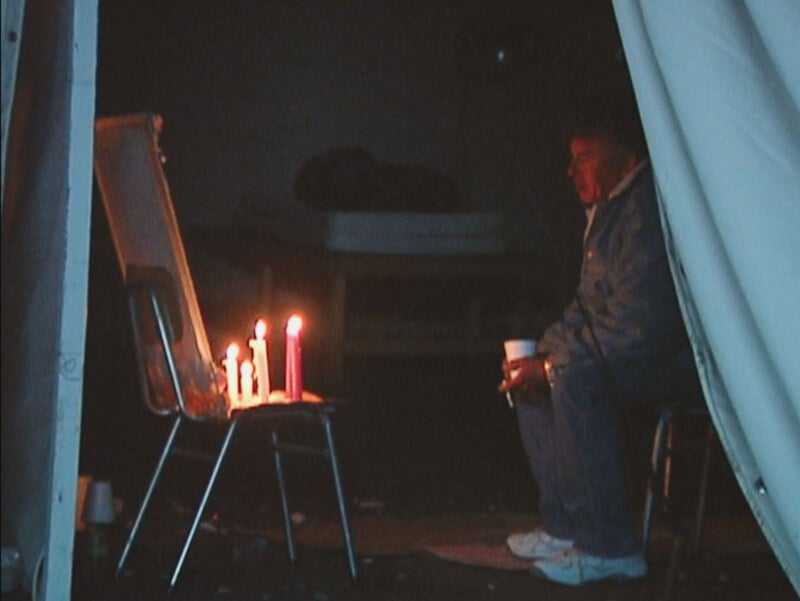
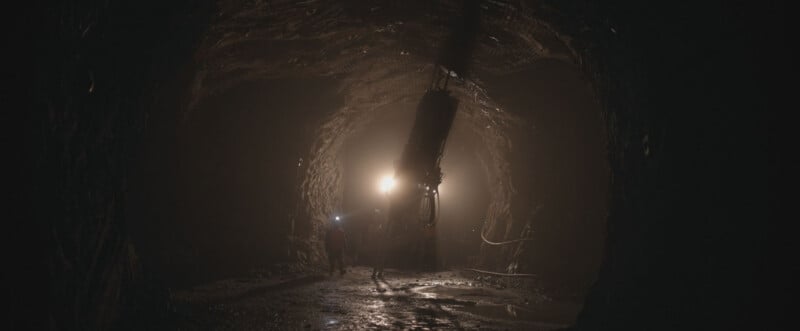
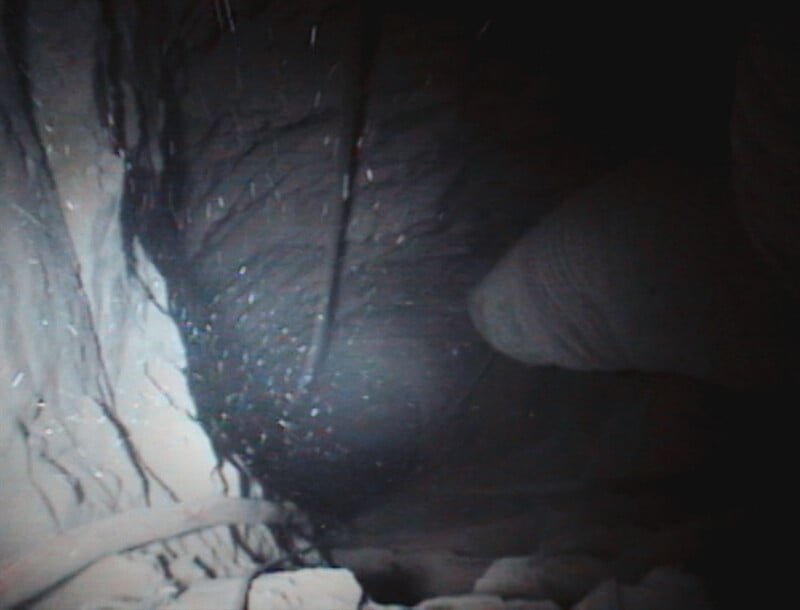
The next installment in Nat Geo’s Emmy Award-winning “Race Against Time” franchise, Chilean Mine Rescue features never-before-seen footage shot by the miners themselves, 2,300 feet underground, on old cell phones. A far cry from modern smartphone video quality, the old devices still captured the collective dread of 33 men, all of whom had deeply worried loved ones above ground.
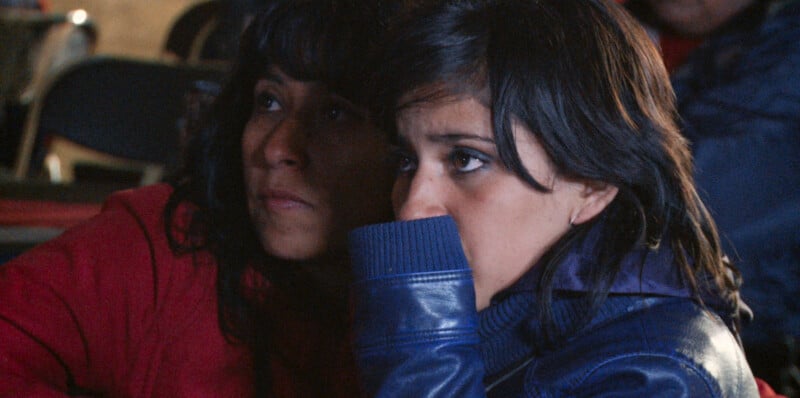
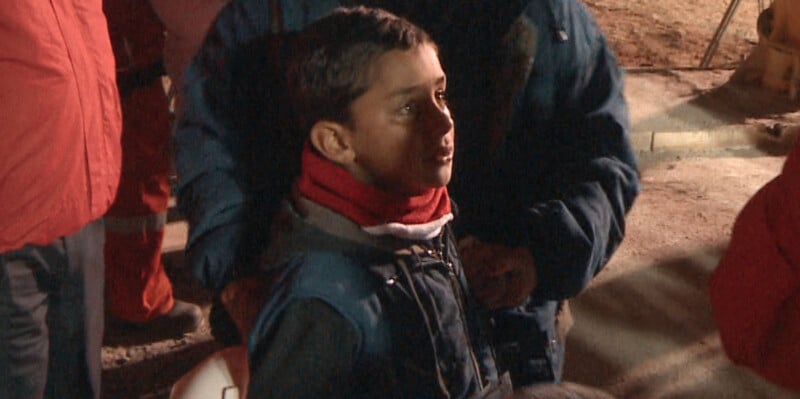
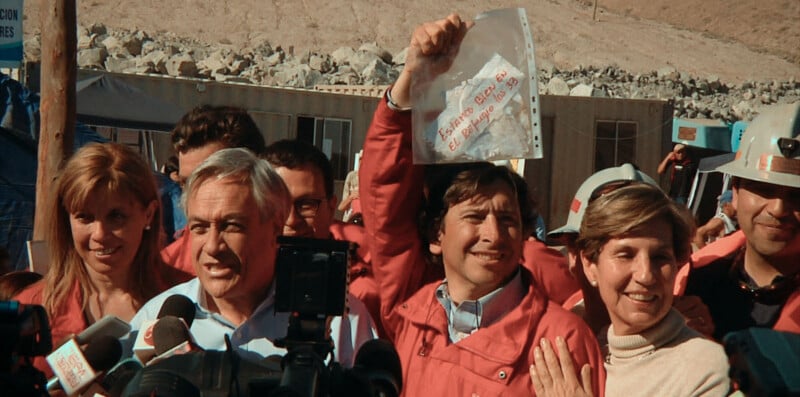
For 17 days after the mine collapsed, nobody above the mine knew if the miners were alive. Many believed they weren’t. The world watched, united by hope. When the miners were eventually rescued after 69 days underground, an estimated billion people worldwide were watching on their televisions at home. It is one of the largest live television audiences in history.
Now, with Chilean Mine Rescue: Race Against Time, viewers can experience the event through fresh eyes and in ways that weren’t possible in 2010.
Making a Documentary Using Archival Footage
PetaPixel spoke to the new miniseries’ co-directors, Emmy-winning James Parris and Chloe Campbell, about the immense task of condensing 70 days of archival footage and complementing it with new interviews with the survivors, their families, and the people who helped rescue them.
“I think approaching stories like this, it always demands an incredible focus on the archival material that you have to play with. I mean, in this particular case, the event was viewed by literally billions of people around the world and there were cameras from day one until the very end. And we’re talking about an extensive period of time. So the amount of archival material we knew going into this, was going to be vast,” Parris tells PetaPixel.
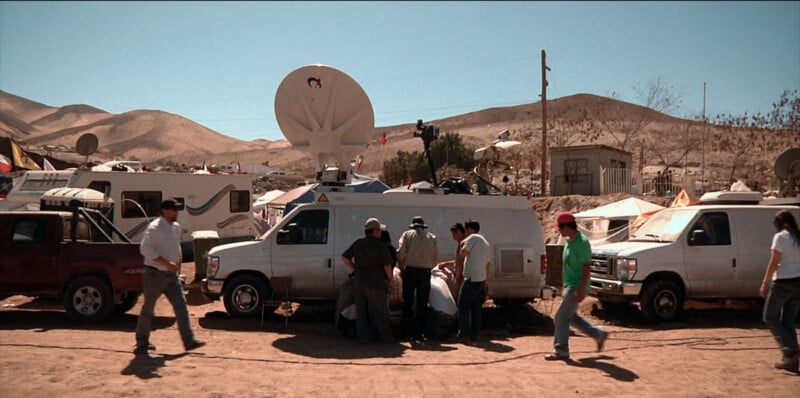
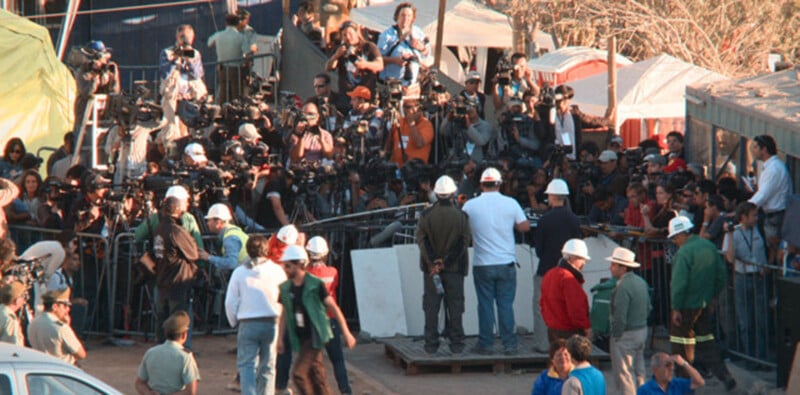
“You know, as a documentary maker, sometimes you pick up a camera and you go and film something yourself. But when you can’t do that with a story that’s already passed, you have to rely on those people who have gone before you to film it.”
Parris adds that, despite knowing full well there would be an immense amount of archival footage, he was still “baffled” by how much they had to work with.
“We can’t broadcast something that’s 69 days long,” says co-director Chloe Campbell. “You’re always having to make very difficult choices.”
“We hope this feels like the definitive telling of the story.”
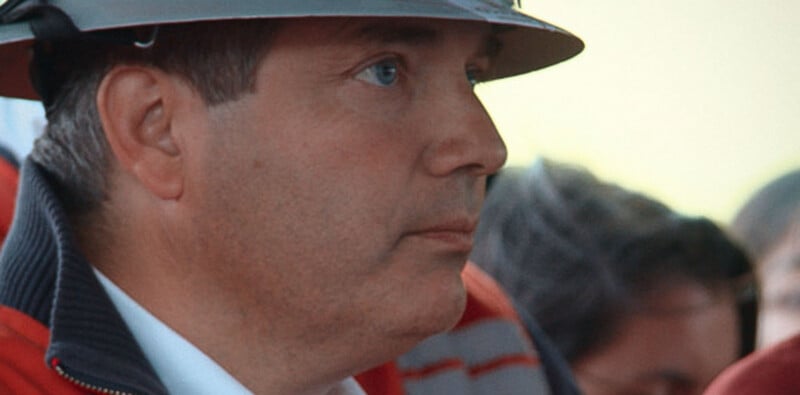
Campbell tells PetaPixel that part of the magic of storytelling is helping people who experienced or remember an event remember it differently. However, with such a big story, one that was covered by news all around the world, there’s also an immense responsibility.
Never-Before-Seen Cellphone Footage From Half a Mile Underground
Parris echoes this sentiment, especially regarding the cell phone footage the team found. The cell phone footage recorded by the trapped miners has never been seen before, and PetaPixel can share a clip ahead of the show’s premiere.
“I think with footage like that, you have to handle it with such extreme care because you’re looking at these — I mean, really, scraps. There was about five or six minutes of material that was shot in those first 17 days,” Parris says.
“You have to handle it with such care, with an eye to the fact that when the person was holding that camera, they were filming with a certain state of mind. And that state of mind in this particular case was we’re filming almost certain that we will not survive this.”
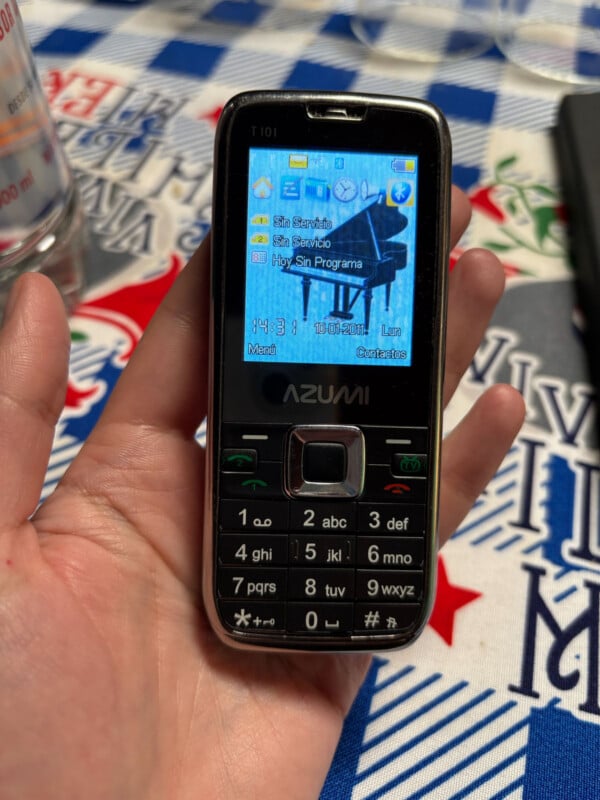
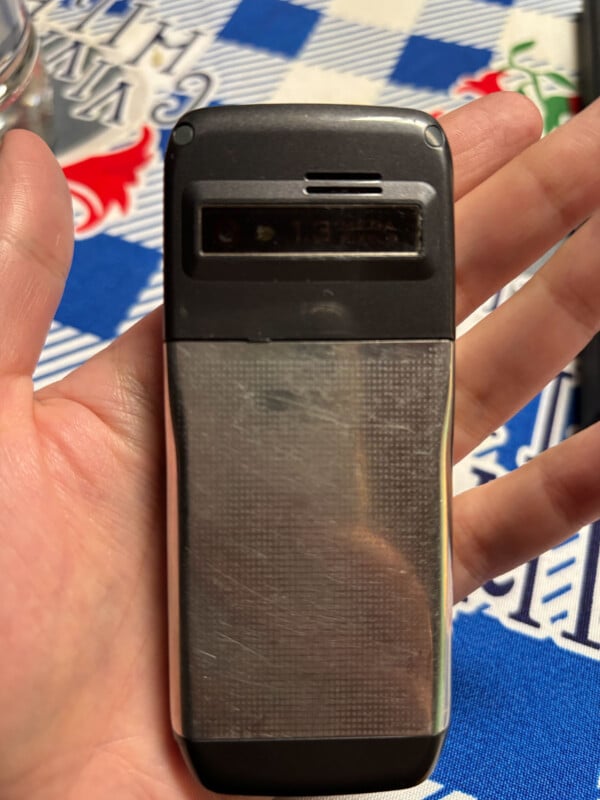
Parris adds that footage was recorded by people who thought they were going to die, and that the video clips would be the last chance they had to leave something for their families, in the event their bodies were ever recovered.
Since the team wanted to treat the footage with such respect, they didn’t chop it all up and spread it around the show. It is presented essentially whole, with interviews with the relevant parties interspersed.
“The archival footage is demanding of you that you take a step back as a filmmaker, and let the people who are filming tell their story,” Parris says.
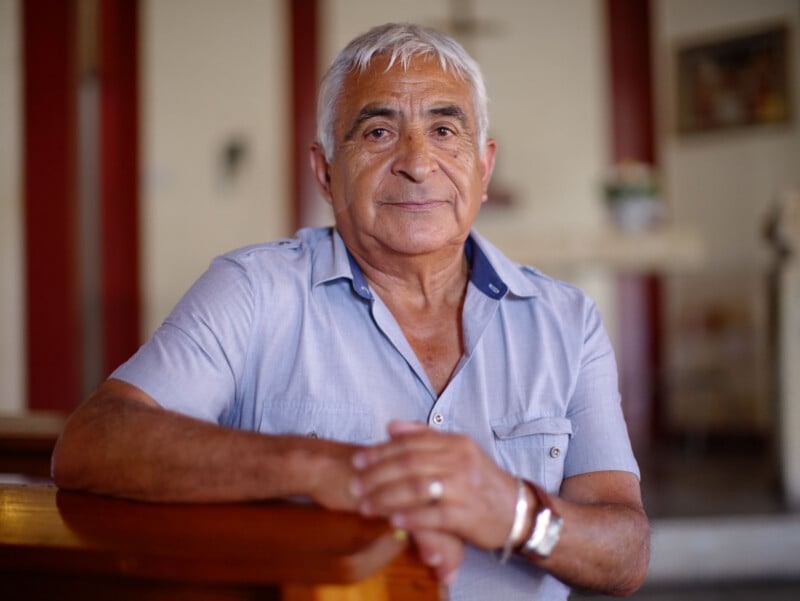
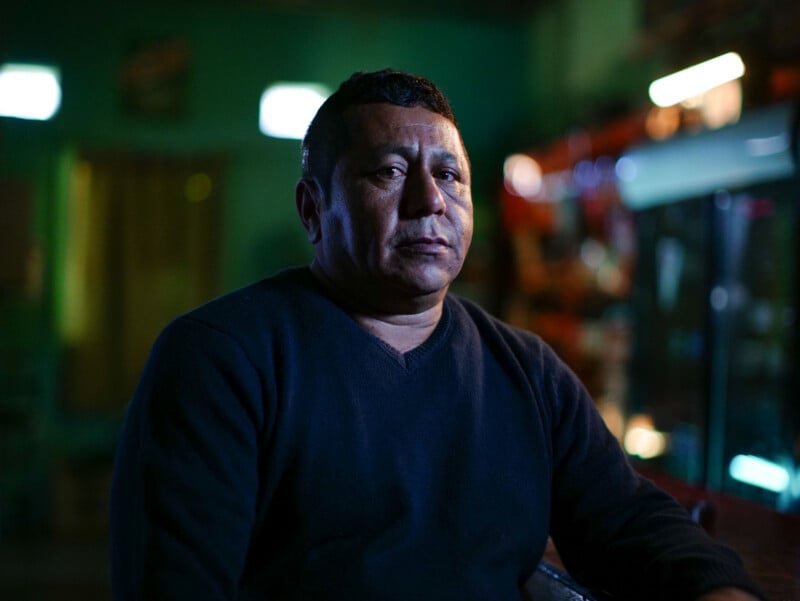
That’s a theme throughout the miniseries and other archival-style documentaries. So much of the footage was shot by someone else, in a different context, at a very different time, and for, of course, various reasons. Respecting that original video footage matters tremendously.
“We were very excited about that footage,” Campbell says of the cell phone footage. “And it wasn’t easy to recover.”
“And there were many moments where, as a team, we thought we might have it and then it looked like we — like it wasn’t actually there. Until we actually saw the footage, we didn’t think that we actually had it. And so it was really incredible.”
The cell phone footage also adds a new layer of intrigue and suspense to a story that many, though certainly not all, people watching it remember to some extent. A significant portion of the viewership may know, for example, that the miners are rescued. The story is, ultimately, one of perseverance, of people working together under impossible conditions to save lives.
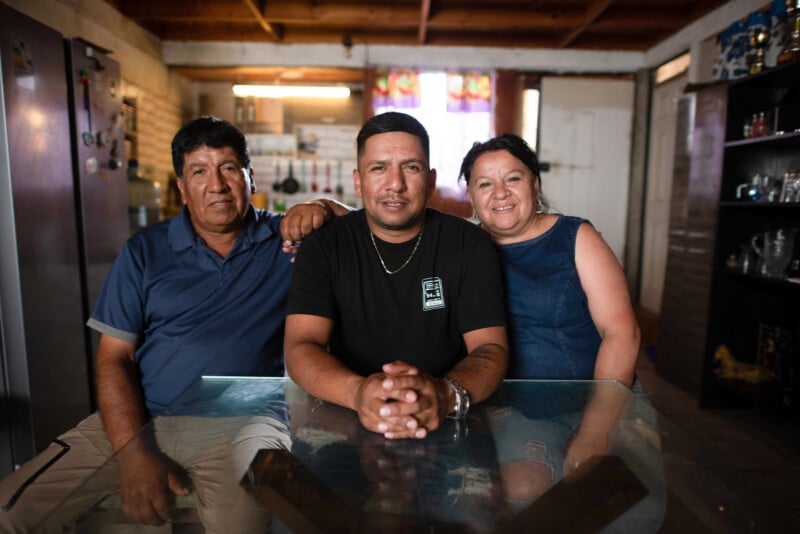
However, when it was happening, it was very much unclear whether these 33 men would be rescued. The film tries to recapture those feelings through archival footage of interviews at the time, as well as interviews with survivors today, all of whom remember clearly what they experienced 16 years ago. Some moments are deeply emotional, and the cell phone footage is undeniably the most powerful way to connect to what the miners experienced.
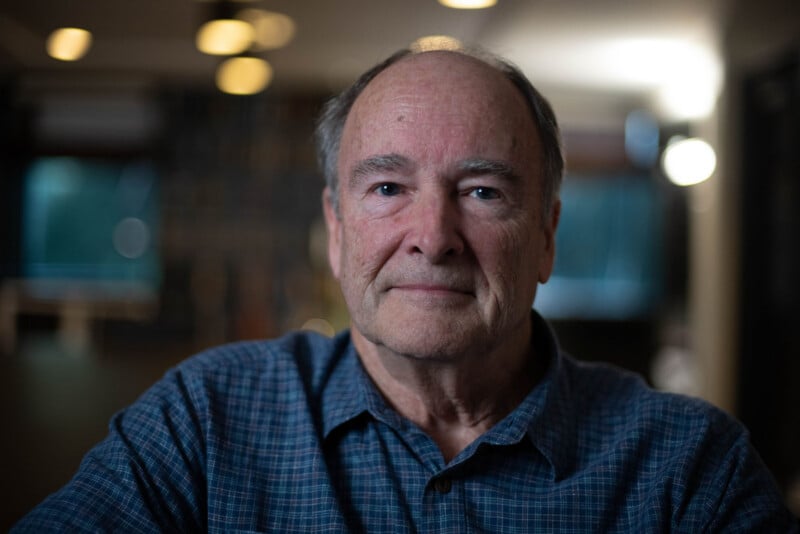
How to Tell a Story Many People Already Know
Campbell says the production team discussed every day how they could still make a compelling, dramatic, riveting story about an event that already happened and was covered by news crews worldwide for over two straight months.
“It’s a tricky one,” Campbell admits. “You have to make sure that there is enough story and emotion and personal character story within every episode, within every act of every episode to carry an audience through who knows the ending. We had rich characters and amazing worlds to build in abundance. But it is a delicate balance. There’s no, there’s definitely no crib sheet for it.”
For Parris, he thinks a certain pressure lifts when people know the high points of the story you’re trying to tell.
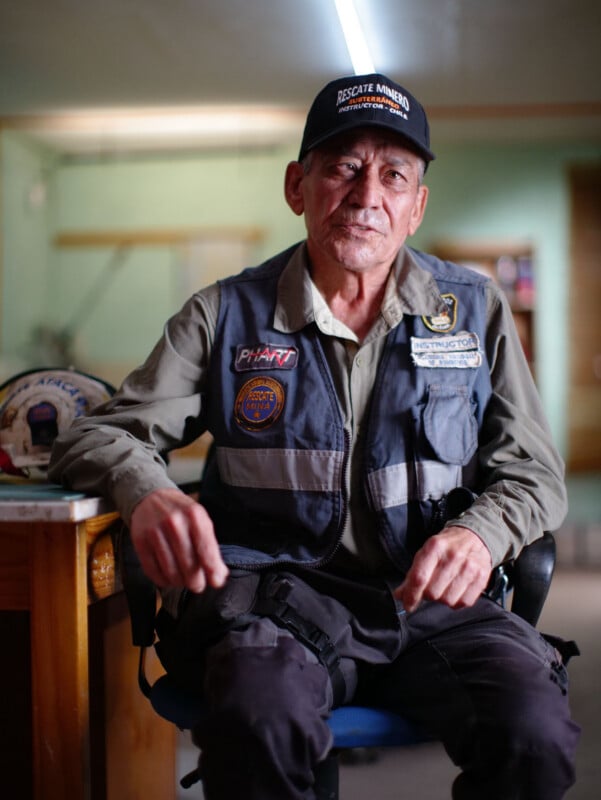
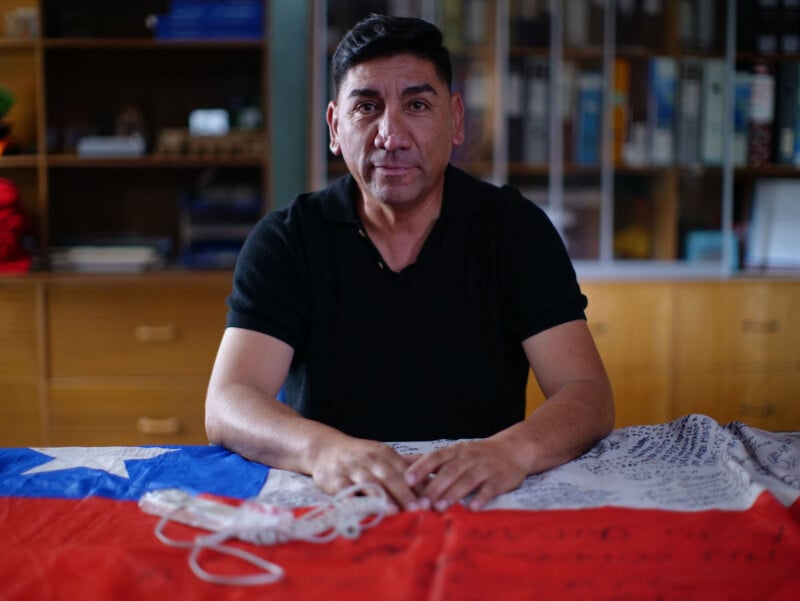
“You don’t have to hide some grand twist,” he says. “The collective understanding, walking into a storytelling space where you basically know how this is going to end, allows much more intricacy in the journey to that point.”
Rather than worry about hiding the conclusion from viewers, Parris and Campbell could tell creative stories that didn’t get attention during the event itself and recalibrate everything with the immense benefit of being removed from it.
That said, Parris says that many times, while going through the archival footage, he thought, “I wish someone had filmed this thing, right of this person, next to this area on the drill site.”
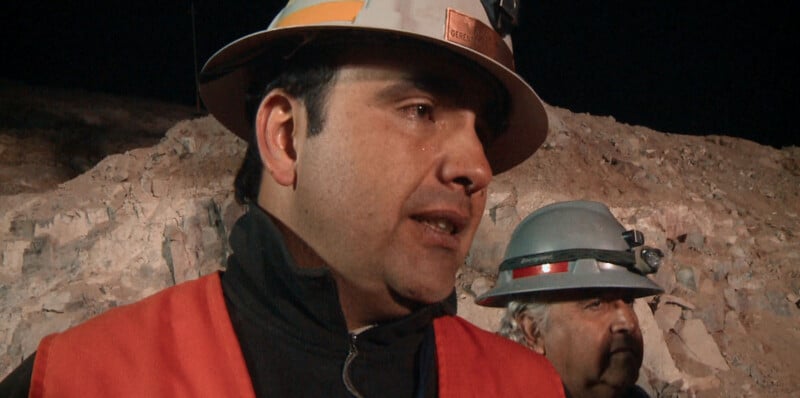
But what happened time and again?
“10 minutes later, in this vast body of rushes we had access to, that shot would turn up.”
“Rather than trying to weave a story from scratch, this felt like we were trying to wade through a sea of footage and inevitably, somewhere within it would be exactly what we needed at that moment to tell the story. And there was a great enjoyment in that treasure hunting process here.”
Chilean Mine Rescue: Race Against Time premieres tomorrow, September 25, on National Geographic at 8PM EDT. It will stream on Disney+ and Hulu the next day.
Image creditsNational Geographic






 Estudio EA